Stories
280-Gram Heart: 7500 Liters Pumped, 100,000 Beats Daily - How Does It Keep You Alive?
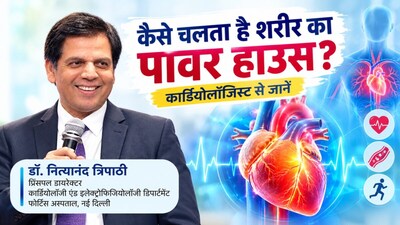
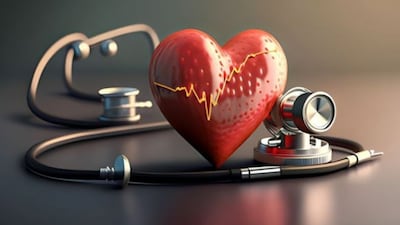
- •The heart is a muscular organ, weighing 280-350 grams, beating 100,000 times and pumping 7500 liters of blood daily.
- •It delivers oxygen and nutrients to body cells and removes waste by circulating blood through a complex process.
- •Impure blood from the body enters the right atrium, then the right ventricle, which pumps it to the lungs for oxygenation.
- •Oxygenated blood returns from the lungs to the left atrium, then the left ventricle, which forcefully pumps it to the entire body.
- •Smoking, stress, obesity, diabetes, sedentary lifestyle, and poor diet are major heart enemies; a healthy lifestyle is crucial for heart health.
Key Questions Answered
The human heart weighs between 280 and 350 grams and is located in the chest cavity between the two lungs. It features four chambers separated by strong walls: the upper right and left atria, and the lower right and left ventricles.
The SA node, a natural pacemaker in the right atrium, generates faint electrical signals that cause the upper chambers to contract. The signal then travels to the AV node, passes through the bundle of His, and reaches Purkinje fibers to rapidly contract the ventricles.
Major heart enemies include smoking and tobacco use, which damage delicate blood vessel linings and promote cholesterol plaque buildup. Other significant risk factors include excessive stress, obesity, diabetes, a sedentary lifestyle, and diets high in salt, sugar, and oil.