Stories
Gym-Goers Beware: Simple Tips to Prevent Heart Attacks During Exercise

- •Regular exercise is good for the heart, but overexertion or undiagnosed heart issues can lead to problems.
- •Heart attack and cardiac arrest are distinct: heart attack is due to blocked blood vessels, cardiac arrest is an electrical malfunction.
- •Be cautious if family members died young from heart attacks; consult a doctor about exercise risks.
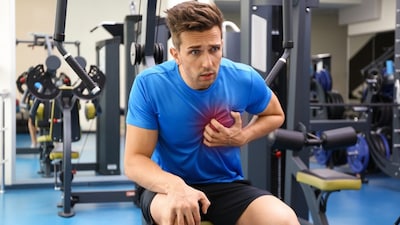
- •Do not dismiss unexplained fainting, dizziness, abnormal heartbeats, or chest discomfort during exercise.
- •Coronary Artery Disease, sudden high-intensity exercise, smoking, and stimulants can increase heart attack risk.
Key Questions Answered
A heart attack typically occurs when the blood vessels supplying blood to the heart muscle become blocked. In contrast, cardiac arrest happens when the heart's electrical system malfunctions and the heart suddenly stops pumping blood.
If someone hasn't exercised for a long time, suddenly performing high-intensity workouts, running fast, or lifting heavy weights puts abnormal stress on the heart. Starting too quickly without allowing the body to adapt can dangerously spike heart rate and blood pressure.
Consuming excessive caffeine, energy drinks, or pre-workout stimulants can increase stress on the heart and potentially lead to cardiac arrest. Additionally, symptoms like unexplained fainting, frequent dizziness, abnormal heartbeats, or chest discomfort during exercise should never be dismissed as mere fatigue.