Stories
Frequent Night Wakings: Understand Causes, Symptoms, and When to Seek Medical Help.

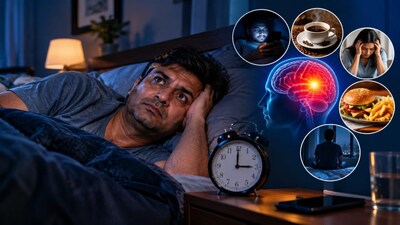
- •Waking up repeatedly at night can indicate stress, irregular routines, mobile phone use, or underlying health issues.
- •Insomnia includes difficulty falling asleep, frequent awakenings, or waking too early, leading to daytime fatigue and poor concentration.
- •Sleep apnea involves breathing repeatedly stopping and starting during sleep, with symptoms like loud snoring and gasping for air.
- •Environmental factors like room temperature, noise, light, or aging can also disrupt sleep; it's not always a sign of illness.
- •If you wake up, avoid screens, stay calm; if sleep doesn't return, get out of bed for a quiet activity, and consult a doctor if the problem persists.
Key Questions Answered
Waking up suddenly at night can be triggered by stress, anxiety, irregular sleep schedules, consuming tea or coffee late in the evening, using mobile phones, alcohol consumption, and room environment issues. Additionally, medical conditions like sleep apnea can disrupt sleep.
Sleep apnea is a condition where breathing repeatedly stops and starts for short periods during sleep because relaxed throat muscles narrow or close the airway. Symptoms include loud snoring, breathing pauses, suddenly waking up gasping for air, morning dry mouth, and excessive daytime fatigue.
Avoid looking at your mobile phone or checking the clock right away to prevent brain overactivation and anxiety. Keep the room quiet and dark, and try to relax. If sleep does not return, get out of bed for a quiet activity in dim light until you feel sleepy again.