Stories
Curd vs. Yogurt: Unpacking the Differences in Taste, Bacteria, and Nutrition

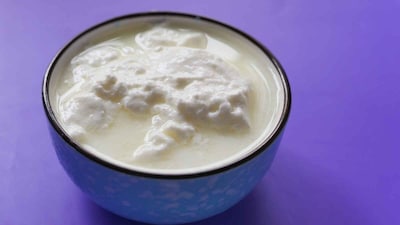
- •Curd is a staple in Indian kitchens, consumed in various forms like plain curd, raita, lassi, or kadhi, while yogurt has also gained popularity.
- •Both curd and yogurt are made by fermenting milk, but their preparation methods and starter cultures differ significantly.
- •Homemade curd uses a small amount of pre-made curd as a starter, leading to inconsistent bacterial composition, whereas yogurt uses specific, standardized cultures like Lactobacillus bulgaricus and Streptococcus thermophilus.
- •Curd typically has a distinct, slightly sour taste, with variations based on milk type and setting time; yogurt is often creamier and thicker, with Greek yogurt being strained for lower water content and higher protein.
- •Both are good sources of protein and calcium, but nutritional values depend on milk type and production; flavored yogurts may contain added sugar, and different types like low-fat or Greek yogurt have varying nutritional profiles.
Key Questions Answered
Homemade curd is traditionally made by adding a small amount of pre-made curd as a starter culture, resulting in a variable bacterial composition. In contrast, yogurt is typically produced using specific starter cultures like Lactobacillus bulgaricus and Streptococcus thermophilus under controlled and standardized conditions.
Curd usually features a distinct and slightly sour taste that can vary depending on milk type, starter culture, and setting time. Meanwhile, yogurt tends to be creamier and thicker, with Greek yogurt undergoing an extra straining process that reduces water content and increases protein levels.
Both fresh curd and yogurt can contain live bacteria, but not every yogurt is classified as "probiotic". The probiotic claim depends strictly on the presence of specific bacterial strains and their proven health benefits.