Stories
Why Antarctica Was Chosen For The Nobel-Winning IceCube Neutrino Observatory Lab
N
News18•07-10-2026, 12:21
Why Antarctica Was Chosen For The Nobel-Winning IceCube Neutrino Observatory Lab
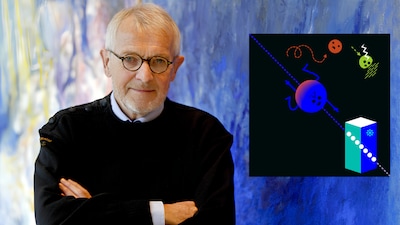
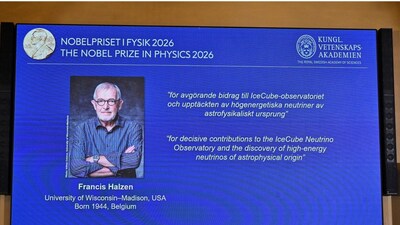
- •Francis Halzen won the Nobel Prize in Physics for discovering high-energy neutrinos using the IceCube Neutrino Observatory built deep beneath the ice in Antarctica.
- •Antarctica was chosen because its massive, thick, stable, and transparent ice sheets provide the ideal dark environment needed to capture elusive neutrino particles.
- •Neutrinos are subatomic ghost particles that pass through everything without stopping, carrying hidden clues about black holes, supernovas, and the origins of the universe.
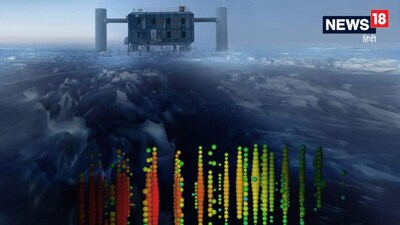
- •The IceCube observatory uses over 5,000 sensors on 86 cables lowered hundreds of meters into melted ice holes to detect faint light flashes created by neutrino interactions.
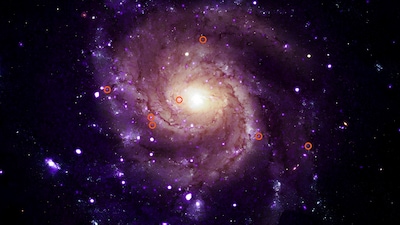
- •Scientists are now investigating the exact cosmic origins of these high-energy neutrinos, with galaxies like NGC 1068 being potential sources.
Key Questions Answered
The 2026 Nobel Prize in Physics was awarded to Francis Halzen for the IceCube Neutrino Observatory and the discovery of high-energy neutrinos.
Antarctica was chosen because its deep ice is extremely transparent and stable, offering perpetual darkness and an ideal environment for sensors to record the light produced when neutrinos interact with ice.
Neutrinos are tiny subatomic particles with no electrical charge, weight, or size that pass through matter unhindered. They are important because they originate from distant parts of the universe, helping scientists understand black holes, supernova explosions, and galaxy formation.