Stories
Why is Shraddha performed in Gaya? Unveiling the sacred 54 Pindadevis and 53 holy sites
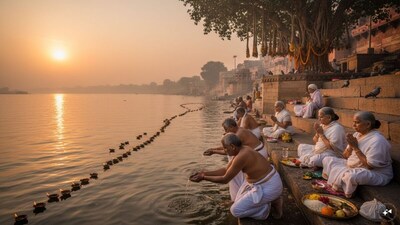
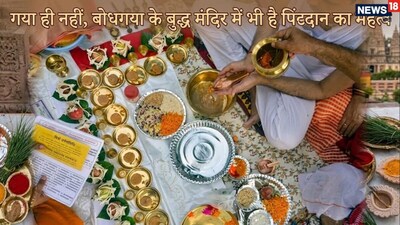
- •Sanatan Dharma has a centuries-old tradition of performing Shraddha to show respect, honor, and devotion to ancestors, especially during Pitru Paksha.
- •Gaya in Bihar is considered the holiest place for Shraddha, attracting millions seeking liberation for their ancestors; the Garuda Purana states Tarpana here grants salvation to 21 generations.
- •Gaya boasts about 54 Pindadevis and 53 holy sites; even living individuals perform their Pindadaan at the Janardhan Temple, particularly those without children to do so.
- •The Padma, Vayu, and Garuda Puranas describe the significance of 'Gaya Shraddha' and the story of Lord Vishnu slaying Gayasura, whose boon made the site sacred for ancestral rites.
- •Performing Shraddha in Gaya eliminates Pitru Dosha, brings peace to restless souls, ensures happiness and prosperity for the lineage, and is a significant step towards liberation.
Key Questions Answered
According to ancient scriptures like the Garuda Purana, performing Tarpana in Gaya grants salvation to 21 generations. The site is tied to the legend of Lord Vishnu slaying the demon Gayasura, after which Vishnu granted a boon that any Shraddha or Pindadaan performed at this location would bring eternal salvation and satisfaction to ancestors.
The Janardhan Temple in Gaya is uniquely famous as the only temple where living people can perform their own Pindadaan before death. This ritual is specifically intended for individuals who have no children or family members to perform ancestral rites for them after they pass away.
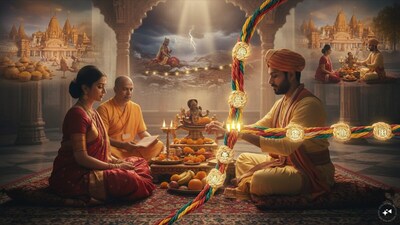
When Lord Rama and Lakshmana were away gathering materials for the ritual, the auspicious time for Shraddha approached, prompting King Dasharatha's soul to request rites from Sita. Sita Devi performed the ritual by making Pindas out of sand along the Falgu River, and Dasharatha's soul was successfully satisfied.