Stories
Bodhgaya: Pind Daan at Buddha Temple Frees Ancestors from Birth-Death Cycle!
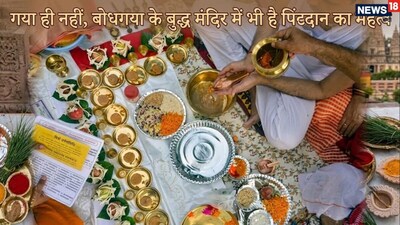
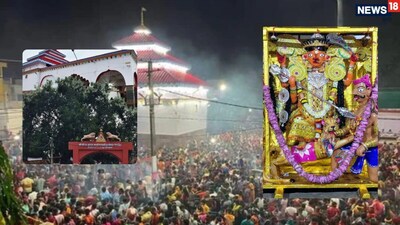
- •Bodhgaya, famous for Lord Buddha's enlightenment and the Mahabodhi Temple, also holds deep significance for Pitru Paksha and Shraddh Karma.
- •According to Sanatan tradition, Lord Buddha is considered the ninth incarnation of Lord Vishnu, making Pind Daan at the Mahabodhi Temple complex a centuries-old practice.
- •Three major Pindvedis in Bodhgaya—Dharmaranya, Matangvapi, and Saraswati—are believed to bring satisfaction to ancestors through Pind Daan.
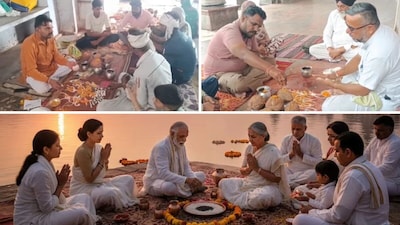
- •During Pitru Paksha, Bodhgaya's religious atmosphere transforms with Vedic chants and rituals for Pind Daan and Tarpan.
- •Gaya and Bodhgaya are religiously complementary; many devotees visit Mahabodhi Temple for Tarpan after performing Pind Daan at Vishnupad Temple.
Key Questions Answered
According to religious texts and local traditions, the three major Pindvedis in Bodhgaya are Dharmaranya, Matangvapi, and Saraswati. Performing Pind Daan at these designated sites is believed to bring satisfaction and peace to the ancestors.
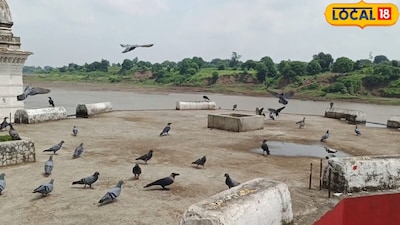
Before a bridge was built over the Niranjana River prior to the 1980s, devotees completed their rituals at Dharmaranya, Matangvapi, and Saraswati Vedi. Afterward, they traveled to the Mahabodhi Temple to complete the final Pind Daan process, visited Lord Buddha, and bowed to the holy Bodhi tree.
In the 1990s, the All India Mahabodhi Mahavihar Mukti Andolan Committee demanded a ban on Pind Daan within the temple complex, arguing that such rituals should not occur on the premises. However, the temple management rejected this demand and the long-standing tradition continued.