Stories
Wildfires and Haze Blanketing Southeast Asia Spark Emergency Measures in Delhi
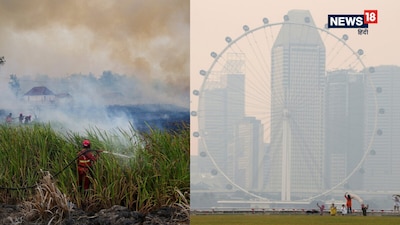
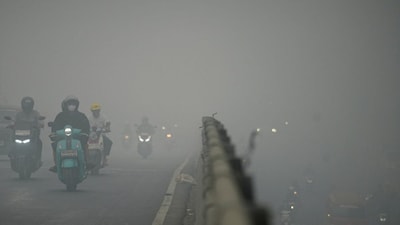
- •Severe wildfires in Indonesia's forests have spread thick haze to Malaysia and Singapore, impacting air quality and health.
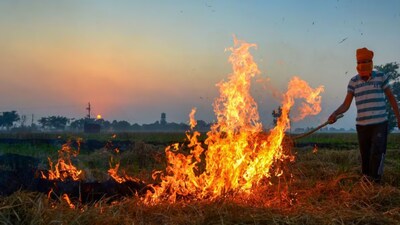
- •El Niño and agricultural land clearing have worsened the fires, causing hundreds of thousands of respiratory cases, particularly among children.
- •Malaysia has closed schools, issued health warnings, and appealed to ASEAN for collaborative efforts against transboundary pollution.
- •Delhi has implemented the Winter Action Plan 2026-27, introducing vehicle bans, doubled parking fees, and construction halts to combat upcoming haze.
Key Questions Answered
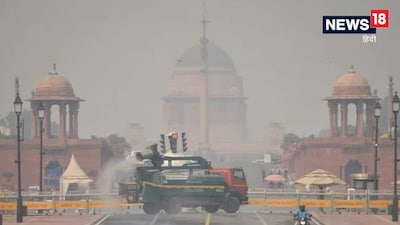
Delhi has implemented the Winter Action Plan 2026-27, requiring a valid PUCC certificate to purchase fuel at 500 petrol pumps starting October 1, banning non-BS-4 vehicles registered outside Delhi from November 1 to January 21, doubling parking fees, banning construction and demolition, operating smog guns, and enforcing a 50 percent work-from-home policy in offices from November 1 to February 28.
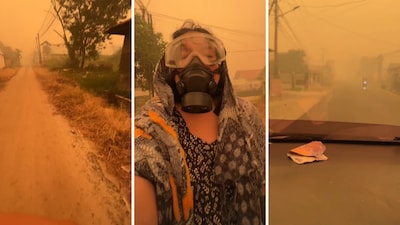
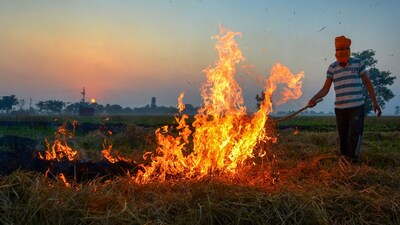
Severe forest fires in Indonesia's Sumatra, Borneo, and Papua islands have caused thick haze to blanket the skies, pushing air pollution to hazardous levels in neighboring Malaysia and triggering health warnings. In the Serian district of Sarawak, the Air Pollution Index reached 519, prompting Malaysia's King Sultan Ibrahim to declare an emergency, alongside widespread school closures.
The ongoing haze crisis is primarily driven by severe wildfires burning for weeks across Indonesia's Sumatra, Borneo, and Papua islands, exacerbated by reduced rainfall linked to El Niño and land-clearing practices for agriculture. Experts note that climate change has continuously increased these incidents, turning haze into a major transboundary concern across the region.