Stories
Indonesia Uses 1940s Dry-Ice Technology to Combat Toxic Wildfire Haze
- •Indonesia has launched trials using 1940s dry-ice technology to disperse the hazardous haze blanketing several regions following its worst wildfire season in years.
- •Aircraft deployed pellets of dry ice over the South Sumatra province on October 15 in an experimental effort to disrupt a layer of warm air trapping smoke near the ground.
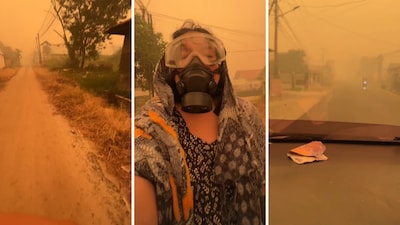
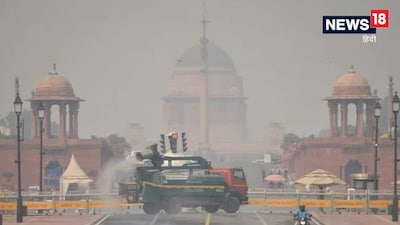
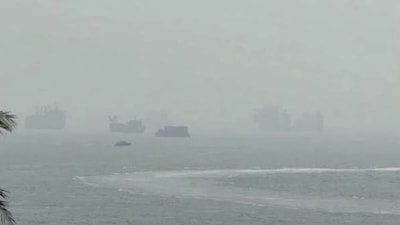
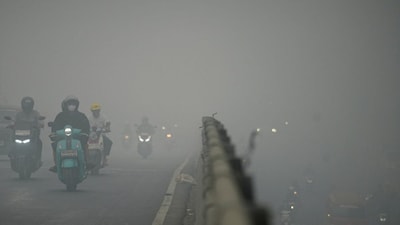
- •The toxic haze has severely impacted daily life, forcing school closures, disrupting over 1,800 domestic flights, and severely lowering air quality in neighboring Singapore and Malaysia.
- •Authorities aim to improve visibility near airports to allow water-bombing and cloud-seeding aircraft to safely resume their operations.
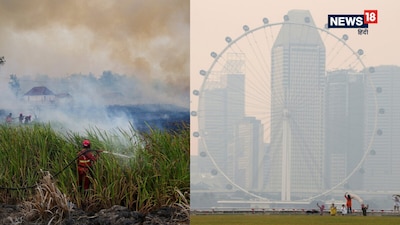
- •Over one million wildfire hotspots have burned approximately 900,000 hectares of land in 2026, leading police to suspect over 200 individuals and nine firms.
Key Questions Answered
Indonesia is using dry ice, or solid carbon dioxide, to disrupt a layer of warm air that traps cooler air and wildfire smoke near the ground. In theory, the rapid cooling caused by the dry-ice pellets breaks this temperature inversion, allowing the trapped pollution to lift and improving visibility.
The initial trial took place above South Sumatra province, which is one of the regions worst hit by the haze. Aircraft initially targeted the provincial capital of Palembang and an adjacent district. If successful, operations will expand to central haze areas like Central Kalimantan.
The severe wildfires and spreading haze are driven by persistent dry conditions and extreme heat associated with a super-El Niño. This has allowed forest and peatland fires to spread more rapidly across islands like Borneo and Sumatra.