Stories
Indonesian Forest Fires Cause Toxic Smog Across Singapore and Malaysia
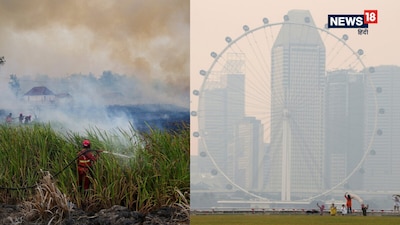
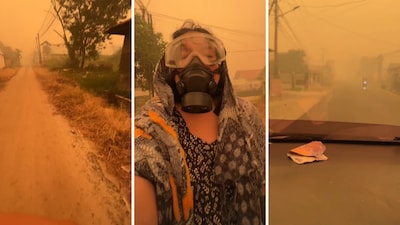
- •Singapore briefly became the world's most polluted city as smoke from Indonesian forest fires blanketed the region, pushing the 24-hour Pollution Index to unhealthy levels.
- •An intense El Niño condition and severe drought have triggered Indonesia's worst forest fire season in 11 years, reducing rainfall significantly since June.
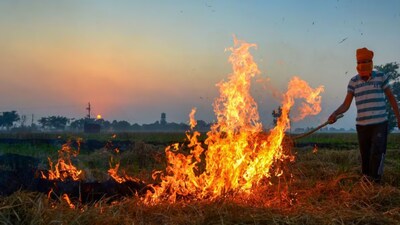
- •Traditional slash-and-burn farming practices and burning in carbon-rich peatlands are major drivers of these recurrent, hard-to-extinguish fires.
- •Malaysia responded to the worsening air quality by ordering the closure of schools and childcare centers in the Batu Pahat district.
- •Health agencies have warned vulnerable populations to avoid strenuous outdoor activities due to dangerously high PM2.5 particle levels.
Key Questions Answered
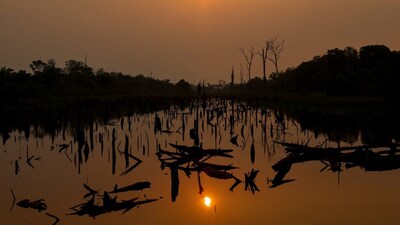
Severe forest and peatland fires in Indonesia, intensified by extreme drought and El Niño conditions, generated cross-border smoke that traveled to neighboring countries and heavily polluted the air.
El Niño caused sea surface temperatures in the equatorial Pacific to warm up, resulting in rainfall being about 80 percent lower than normal since June in Singapore and surrounding areas of Indonesia. This prolonged drought reduced moisture in forests and soil, allowing dry vegetation and peatlands to catch fire and burn rapidly.
Singapore's National Environment Agency advised vulnerable groups and the general public to avoid strenuous outdoor activities when PM2.5 levels rise. In Malaysia, authorities responded to the worsening air quality by ordering the closure of schools and childcare centers in affected areas like the Batu Pahat district, shifting students to online classes.