Stories
Thorium Power: India's Energy Future Unveiled by Anil Kakodkar Amid Uranium Shortage.
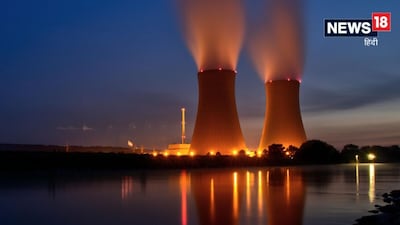
- •Senior nuclear scientist Anil Kakodkar proposes accelerating thorium use to address India's growing uranium demand.
- •Global uranium demand is projected to reach 1.5-2 lakh tons by 2040, far exceeding current production of 60,000 tons.
- •India possesses vast thorium reserves, primarily in coastal monazite sands, offering a long-term energy solution.
- •The Three-Stage Nuclear Energy Program, conceptualized by Homi J. Bhabha, aims to transition to thorium-based fuel.
- •Successful thorium utilization could make India nuclear fuel self-sufficient for centuries and a global technological leader.
Key Questions Answered
Formulated by Homi J. Bhabha in 1950, India's Three-Stage Nuclear Energy Program aims to gradually increase thorium usage. The first stage generates electricity from uranium in Pressurized Heavy Water Reactors (PHWRs) and produces plutonium, which is used in Fast Breeder Reactors in the second stage. Finally, the third stage utilizes thorium to produce Uranium-233 for electricity generation.
Senior nuclear scientist Anil Kakodkar suggested that India can meet its future energy needs by accelerating the use of thorium and continuing the Three-Stage Nuclear Energy Program. He recommended introducing thorium-based fuel early into India's indigenous Pressurized Heavy Water Reactors (PHWRs) rather than waiting for the third stage.
India possesses the world's largest thorium reserves, totaling approximately 8.46 lakh tons, which are found in monazite mineral deposits particularly across the coastal areas of Kerala, Tamil Nadu, and Odisha. Utilizing these vast reserves could end India's dependence on imported uranium, provide nuclear fuel for hundreds of years, and grant a technological advantage.