Stories
Record El Nino threatens India's winter with drought and heat extremes
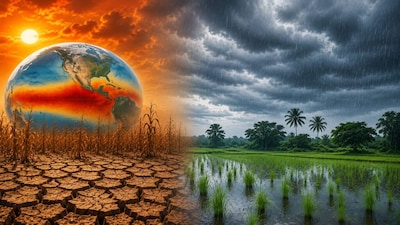
- •The World Meteorological Organization forecasts a record-breaking El Nino event expected to peak around December 2026, with sea-surface temperatures potentially reaching 3.7°C above normal.
- •India enters the post-monsoon season following a southwest monsoon rainfall shortfall of 12.6%, raising serious concerns over agricultural prospects and water security.
- •The WMO outlook indicates a greater likelihood of below-normal rainfall across the Indian subcontinent during the October-December period, adding pressure to already depleted water supplies.
- •The northeast monsoon remains a critical watchpoint for southern India, particularly Tamil Nadu, where rainfall is vital for replenishing reservoirs and supporting agriculture.
- •Researchers warn that the strengthening El Nino could also escalate health risks such as infectious diseases, malnutrition, dehydration, and heatstroke, necessitating robust early-warning systems.
Key Questions Answered
The WMO outlook points to a greater likelihood of below-normal rainfall over the Indian subcontinent for the October-December period, adding to water stress after the southwest monsoon delivered only 87.4% of its long-period average rainfall. The strengthening El Niño also raises concerns for agricultural prospects, the upcoming rabi season, and overall water security.
The WMO forecasts that sea-surface temperatures in the central and eastern tropical Pacific will reach unprecedented levels, with the seasonal anomaly peaking at approximately 3.7°C above normal around December. This would exceed the previous record of 2.6°C set during November 2015-January 2016, making it potentially one of the strongest events since 1950.
The October-December period is vital for Tamil Nadu and parts of southern India because they depend heavily on the northeast monsoon to replenish water supplies and support agriculture. A weak northeast monsoon could compound water stress and affect soil moisture in areas that already experienced deficient southwest monsoon rainfall.