Stories
S-400 vs THAAD: Russia's Air Defense Meets America's Missile Interceptor
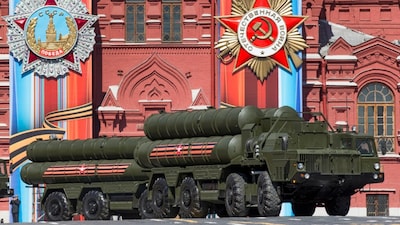
- •The S-400 is a versatile long-range air-defense system engaging aircraft, cruise missiles, and some ballistic threats, while THAAD specializes in ballistic missile interception during their terminal phase.
- •S-400 boasts a wider air-defense envelope with an advertised range of up to 400 km, while THAAD focuses on high-altitude ballistic missile interception.
- •THAAD utilizes a "hit-to-kill" interceptor for kinetic energy destruction of ballistic missile warheads, a distinct technological approach from S-400's primary high-explosive fragmentation warheads.
- •THAAD's AN/TPY-2 radar is specifically optimized for ballistic missile defense, designed to detect, track, and discriminate targets, including warheads from debris.
- •S-400 offers greater versatility against various aerial targets like aircraft and cruise missiles, making it suitable for broad defensive coverage, while THAAD is not designed for conventional air defense roles.
Key Questions Answered
The S-400 is a versatile, long-range Russian surface-to-air defense system designed to engage aircraft, cruise missiles, and some ballistic missiles. In contrast, THAAD is a specialized American system focused entirely on intercepting ballistic missiles during their terminal phase using hit-to-kill technology.
The S-400 features a much larger advertised headline range, with its 40N6 interceptor reaching up to 400 km against aerodynamic targets. THAAD is not designed to compete with that specific range figure, as its purpose is high-altitude ballistic missile interception rather than providing a broad aircraft engagement zone.
THAAD utilizes the AN/TPY-2 radar, a specialized X-band system designed to search, track, and discriminate ballistic warheads from debris and countermeasures. The S-400 relies on an integrated network of surveillance and engagement radars combined with its battery architecture rather than a single sensor.