Stories
Drone Showdown: MQ-9 Reaper vs. Bayraktar TB2 - Heavyweight vs. Lighter Fighter
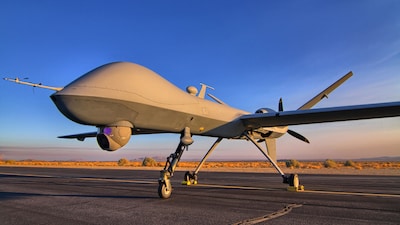
- •The MQ-9 Reaper and Bayraktar TB2 are prominent medium-altitude, long-endurance unmanned aircraft, but differ significantly in size and capability.
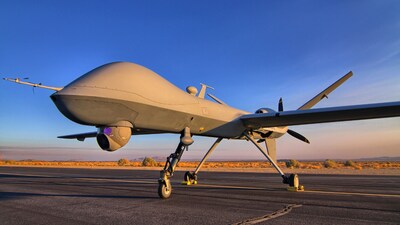
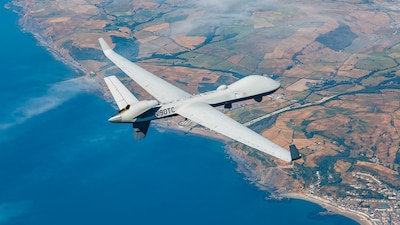
- •Developed by General Atomics, the MQ-9 Reaper is a multi-mission platform for intelligence, surveillance, reconnaissance, and precision strikes, with a payload capacity of 1,701 kg.
- •Turkey's Bayraktar TB2, developed by Baykar, is a lighter, more economical combat-proven platform with a 150 kg payload, designed for intelligence, reconnaissance, surveillance, and precision strike missions.
- •The Reaper boasts superior endurance (27+ hours) and operating altitude (50,000 feet) compared to the TB2's 20+ hours and 16,000 feet operational altitude.
- •While the Reaper carries a wider array of heavy precision weapons, the TB2 utilizes lighter munitions, demonstrating that effectiveness isn't solely determined by size, but by mission requirements and operational environment.
Key Questions Answered
The MQ-9 Reaper has a published payload capacity of about 1,701 kg, whereas the Bayraktar TB2 has a payload capacity of 150 kg. This allows the American drone to carry a much wider and heavier combination of weapons and sensors, while the TB2 uses lighter precision munitions suited for its smaller airframe.
The MQ-9A Reaper features an endurance of more than 27 hours and an operating ceiling of up to 50,000 feet. In comparison, the Bayraktar TB2 lists a standard endurance of over 20 hours with an operational altitude of 16,000 feet and a service ceiling of 22,000 feet, though it holds a recorded flight endurance of 27 hours and three minutes.
The Bayraktar TB2 gained international fame after its deployment in conflicts including Libya, Syria, Nagorno-Karabakh—where it was used extensively by Azerbaijan in 2020—and Ukraine following Russia's invasion in February 2022. These operations helped it accumulate over 1.25 million operational flight hours globally.