Stories
FM Sitharaman Flags India-China Trade's 'Vietnam Twist,' Market Access Barriers
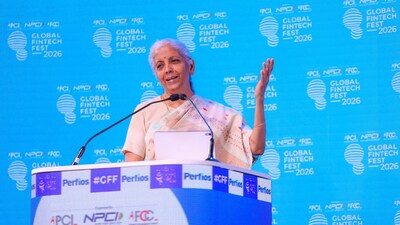
- •FM Nirmala Sitharaman revealed that Indian exports to China are often routed through Vietnam, obscuring direct trade figures and highlighting market access issues.
- •Sitharaman stated that India faces market access barriers for bulk goods like buffalo meat and generic pharmaceutical drugs, forcing indirect trade routes.
- •The government is incentivizing domestic manufacturing to reduce dependence on other countries, particularly for active pharmaceutical ingredients (APIs).
- •Sitharaman criticized the opposition's focus on GDP numbers, asserting it reflects a "mala fide intent" and rejoices in perceived Indian failures.
- •She clarified that financially sustainable welfare schemes are not "freebies" but warned against unplanned welfare, citing states falling into revenue deficits.
Key Questions Answered
Union Finance Minister Nirmala Sitharaman stated that while India's direct exports to China appear low, goods actually reach China by first going through Vietnam. This occurs because India often faces market-access barriers for bulk value goods like buffalo meat and pharmaceutical generic drugs when dealing directly with China.
Finance Minister Nirmala Sitharaman clarified that the proposed Merchant Discount Rate on UPI transactions is not a tax, cess, or surcharge, and it does not contribute to the government's tax revenue. She assured that the MDR is strictly a fee shared between the merchant and the service provider without being passed on to consumers.
Sitharaman noted that properly budgeted and financially sustainable welfare schemes should not be sensationalized as freebies, but warned against unplanned welfare. She explained that allocating 80 percent of tax collections to committed expenditures leaves only 20 percent for vital capital investments, which can drive revenue-surplus states into deficits.