Stories
Could What Happened in Ukraine Happen in India Too? Security Concerns Rise Over Starlink
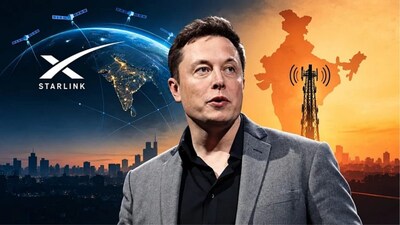
- •The expansion of Elon Musk's satellite internet service Starlink in India has raised critical national security questions regarding reliance on foreign networks.
- •A report by the Takshashila Institution highlights potential security risks due to Starlink's dominance and its deep ties with the US government and defense programs.
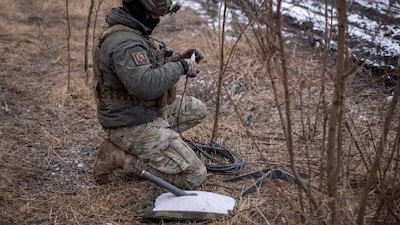
- •Incidents from the Russia-Ukraine war showed how a private company can control connectivity and impact military operations through geofencing.
- •Experts warn that depending heavily on Starlink for critical infrastructure could leave India vulnerable during geopolitical crises or national emergencies.
- •While leveraging advanced satellite technology, India must balance connectivity benefits with strict regulatory control and alternative communication systems.
Key Questions Answered
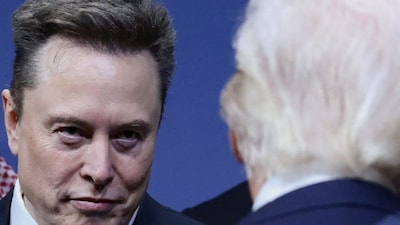
The Takshashila Institution report highlights potential security challenges regarding India's growing reliance on a foreign-controlled satellite network for critical infrastructure. Concerns include SpaceX's ties to the US government, Elon Musk's political influence, and potential difficulties in enforcing regulations or ensuring network availability during a national emergency.
Following the Russian invasion in February 2022, Starlink became vital for Ukraine's military and government communications. However, reports indicated that service was sometimes restricted via geofencing, and Elon Musk notably disagreed with Ukrainian requests to enable coverage near Crimea, raising concerns about private control during wartime.
Starlink's updated global privacy policy allows customer data—including locations and IP addresses—to be shared with third parties and used for AI training, raising data misuse concerns. While India requires satellite providers to route traffic domestically, analysts warn that enforcing these rules remains difficult due to foreign network control.