Stories
Is Elon Musk's Starlink a threat to the security of 5 countries?
- •In Brazil, Starlink initially defied a Supreme Court order regarding the X platform before complying under threats of asset seizures and frozen accounts.
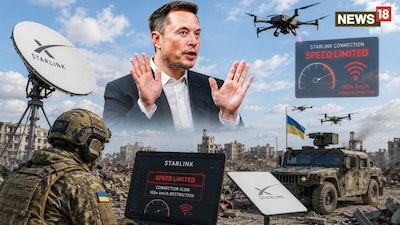
- •During the war with Russia, Starlink served as a lifeline for Ukraine, though a reported unilateral shutdown of service by Musk severely crippled military operations.
- •Reports emerged that Russian forces were also illegally using unauthorized Starlink terminals on the Ukrainian battlefield.
- •In Sudan, smuggled Starlink devices became a major security issue as rebel RSF forces used them to charge exorbitant fees amidst civil war.
- •Although not officially launched in India, Starlink devices were recovered from a massive drug bust ship and militant hideouts in Manipur, raising national security concerns.
Key Questions Answered
In September 2024, Starlink initially refused to comply with a Brazilian Supreme Court ban on the X platform until its frozen bank accounts were released, though it later backed down under threat of equipment seizure. In Ukraine, Starlink served as a vital military lifeline, but deep concerns arose after accusations that Elon Musk ordered engineers to shut down services in the Kherson and Donetsk regions in September 2022, which crippled Ukrainian military operations.
In Sudan, unlicensed Starlink terminals were smuggled across borders and used by Rapid Support Forces rebels to charge exorbitant fees after civil war crippled local communications. In India, where commercial services are not yet officially launched, Starlink devices were recovered in December 2024 from a drug bust ship and during militant search operations in Manipur, sparking national security and data privacy worries.
Tesla CEO Elon Musk's satellite internet service is awaiting final security clearances to launch commercial operations in India. Government officials are carefully evaluating the potential national security risks, sensitive data protection issues, and law enforcement oversight challenges of allowing a foreign-owned private satellite network to operate within the country's critical communication infrastructure.