Stories
Are We Slowly Forgetting India’s Traditional Wedding Songs?
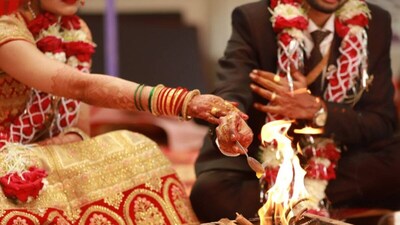
- •Traditional Indian wedding songs passed down through generations of women are slowly fading away, replaced by DJs and choreographed Bollywood performances.
- •Regional wedding songs served as a vital, socially accepted space for women to use humour, satire, and playful banter to critique social norms and in-laws.
- •Communities across India feature unique folk musical traditions, including Gari geet in Bihar, Banna banni geet in Rajasthan, and Wanvun in Kashmir.
- •Urbanisation, migration, and the decline of traditional communal gatherings where women sat together have disrupted the oral transmission of these heritage songs.
- •Experts warn that the centuries-old tradition is disappearing quietly as older generations pass on without younger family members continuing to learn and sing the music.
Key Questions Answered
Traditional Indian wedding songs are a rich repertoire of folk music woven into wedding rituals that blessed couples, teased in-laws, and expressed social commentary. In most communities, these songs survived without written scores and were passed down orally from grandmothers and mothers to daughters and granddaughters.
Traditional wedding singing is fading because it has increasingly been replaced by DJs and choreographed Bollywood-style performances. Additionally, urbanisation, migration, and shrinking extended family networks have disrupted the gatherings where these oral traditions were once learned and transmitted.
India features diverse regional wedding music, such as Gari geet in Bihar and Uttar Pradesh, Banna banni geet in Rajasthan, biyer gaan in Bengal, biya naam in Assam, wanvun in Kashmir, mangal geet in Uttarakhand, kalyanappattukal in Kerala, and Suhaag and Ghorhian songs in Punjab.