Stories
Becoming Shakti again: India must reclaim its rich tradition of respecting women
F
Firstpost•09-10-2026, 15:16
Becoming Shakti again: India must reclaim its rich tradition of respecting women
- •Historical analysis shows that women enjoyed equal status during the early Rig Vedic period, but a decline set in later due to various social shifts and foreign invasions.
- •Reform movements led by figures like Raja Ram Mohan Roy, Mahatma Gandhi, and the framers of the Indian Constitution played crucial roles in laying the groundwork for women's legal rights and empowerment.
- •The clash between rural conservatism and progressive urban centers in modern India has unfortunately contributed to a rise in institutionalized violence and safety concerns for women.
- •Recent legislative measures, including the abolition of Triple Talaq and the Women's Reservation Act, highlight a continuing national commitment to advancing gender equality.
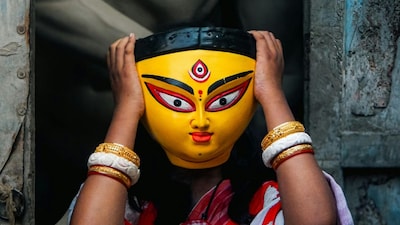
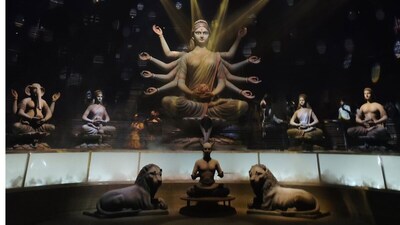
- •Rooted in the pluralistic Hindu tradition symbolized by figures like Ma Durga, India must reconnect with its heritage of supreme feminine power to secure true equality and freedom for women.
Key Questions Answered
Stringent historical analysis confirms that during the early Rig Vedic period, women in India enjoyed equal status with men before decadence set in later periods.
The Indian Constitution guarantees equality under Article 14, prohibits state discrimination under Article 15(1), ensures equality of opportunity under Article 16, and mandates equal pay for equal work under Article 39(d).
When India became independent, the overall national literacy rate was only 31 percent, and the specific literacy rate for women stood at just 22 percent.