Stories
Meet Birendra Krishna Bhadra, The Legendary Voice Behind Bengal's Mahalaya
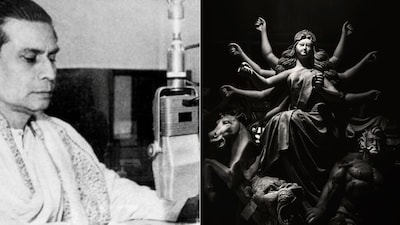
- •Birendra Krishna Bhadra's iconic recitation of Mahishasuramardini has served as Bengal's unofficial alarm clock for Durga Puja since the 1930s.
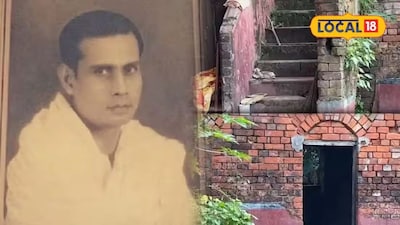
- •Born in 1905 in Kolkata, Bhadra was a multi-talented broadcaster, playwright, actor, and theatre personality associated with All India Radio.
- •His distinct delivery, dramatic urgency, and mastery of Chandipath turned a pre-dawn radio broadcast into an intensely personal cultural ritual for generations of Bengalis.
- •In 1976, even Bengali cinema superstar Uttam Kumar failed to replace Bhadra's voice when listeners fiercely rejected a new production in favor of the original recording.
- •Although Bhadra passed away in 1991, his timeless voice continues to welcome the festive season globally through modern streaming platforms.
Key Questions Answered
The Mahishasuramardini radio programme began as a dawn broadcast in 1932 based on the story of Goddess Durga, and it officially took the name Mahishasuramardini in 1937. It was created using a combination of narration, Sanskrit verses, devotional songs, and music, featuring a script by Bani Kumar and music associated with Pankaj Kumar Mallick and Raichand Boral at different stages.
In 1976, All India Radio tried to replace the traditional broadcast with a new production called Durga Durgati Harini, narrated by film superstar Uttam Kumar. Despite Uttam Kumar's immense popularity, the replacement faced a strong negative reaction from listeners who were deeply attached to Bhadra's familiar voice and ritualistic sound, leading to the prompt return of the original Mahishasuramardini.
Born in 1905 in North Kolkata, Birendra Krishna Bhadra was a celebrated broadcaster, playwright, actor, narrator, and theatre personality who spent much of his career with All India Radio. His background in performance and Sanskrit began early in life, as he learned Sanskrit from his grandmother and was already reciting Chandi by the age of eight.