Stories
Who Owns the Moon? A New Power Struggle Emerges in Space History!
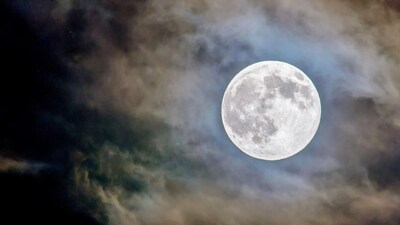
- •The 1967 'Outer Space Treaty' established that no single nation or organization could claim ownership of any part of outer space, including the moon.
- •NASA has identified frozen water, helium, and rare mineral resources in the moon's south pole, planning to utilize them.
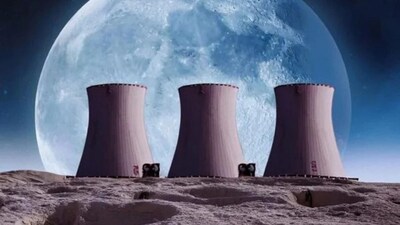
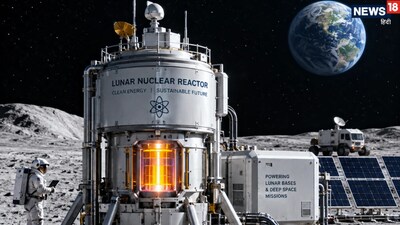
- •China and Russia are collaborating to establish nuclear-powered research stations in the same lunar south pole region.
- •Elon Musk aims to create a multi-trillion dollar market by building Lunar Data Centers and spaceports for deep space launches.
- •Jeff Bezos envisions moving polluting heavy industries to the lunar surface to protect Earth as a green 'garden'.
Key Questions Answered
No. Under the historic 1967 Outer Space Treaty, more than 100 nations collectively agreed that no single nation or organization can claim ownership of any part of outer space or celestial bodies like the moon. Article II explicitly states that the moon cannot be claimed through sovereignty, occupation, or any other means.
NASA has identified frozen water, helium, and various rare mineral resources specifically in the moon's south pole region and plans to utilize them. Additionally, China and Russia are collaborating to establish nuclear-powered research stations in the same region.
Although the 1967 treaty prohibits national ownership of the moon's surface, it contains no clear global limits regarding the extraction and use of its water and mineral resources. This legal loophole has raised concerns that global powers and private companies will fiercely compete to seize resource-rich areas in the lunar south pole.