Stories
Supreme Court Seeks Centre's Reply on UPI MDR, Refuses Stay on New Charges
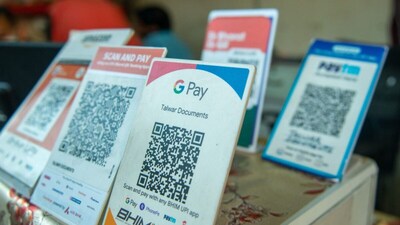
- •The Supreme Court refused to stay the Centre's decision to introduce a 0.4% Merchant Discount Rate (MDR) on specified UPI payments above Rs 2,000, effective October 15.
- •The court sought an affidavit from the Union government explaining the basis and legal framework for the new charges, questioning if it's a tax or fee.
- •Additional Solicitor General N Venkataraman stated MDR is a settlement fee for banks' processing costs, not a government tax or fee.
- •The Centre clarified that 96% of merchant transactions remain unaffected, with P2P transfers and merchant payments up to Rs 2,000 remaining free.
- •The petitioner challenged the statutory basis, Rs 2,000 threshold, and differential treatment, arguing it could burden merchants and indirectly affect consumers.
Key Questions Answered
Starting October 15, a 0.4 per cent Merchant Discount Rate (MDR) will apply to specified person-to-merchant (P2M) UPI transactions exceeding Rs 2,000, capped at Rs 300 for transactions of Rs 75,000 and above. Person-to-person (P2P) transfers and merchant payments up to Rs 2,000 remain completely free.
The Supreme Court refused to grant an interim stay on the implementation of the new framework but issued notices to the Centre, RBI, and NPCI, seeking an affidavit explaining the legal and factual basis for the levy.
Yes, essential and thin-margin sectors like railways, telecom, insurance, fuel, and agricultural inputs will attract a flat MDR of Rs 5 for transactions above Rs 2,000. Additionally, small merchants receiving up to Rs 1 lakh a month through UPI QR codes remain covered by zero-MDR provisions.