Stories
SC to Hear Challenge Against UPI MDR on Payments Above Rs 2,000
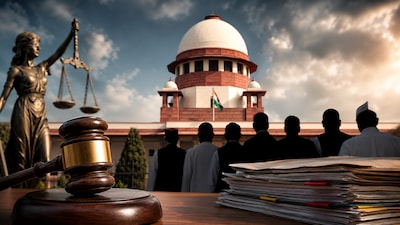
- •The Supreme Court will hear a PIL challenging the Centre's decision to introduce a 0.4% Merchant Discount Rate (MDR) on specified UPI person-to-merchant transactions exceeding Rs 2,000, effective October 15.
- •The MDR will be capped at Rs 300 for transactions of Rs 75,000 and above, while person-to-person UPI transfers and merchant payments up to Rs 2,000 remain exempt.
- •Sectors like railways, telecom, insurance, fuel, and agricultural inputs will have a flat MDR of Rs 5 on transactions above Rs 2,000, with mutual funds and securities attracting 0.02% MDR.
- •The PIL argues the levy lacks statutory safeguards, transparency, and public consultation, questioning the constitutional validity of the amended Section 10A of the Payment and Settlement Systems Act, 2007.
- •The petitioner seeks to quash or suspend the MDR framework for UPI merchant transactions above Rs 2,000, or a fresh review with transparent consultation and safeguards for micro and small enterprises.
Key Questions Answered
The framework introduces a 0.4 per cent Merchant Discount Rate on eligible person-to-merchant UPI transactions above Rs 2,000, which is scheduled to take effect from October 15. The charge is capped at Rs 300 for transactions of Rs 75,000 and above, while person-to-person transfers and merchant payments up to Rs 2,000 remain free from the charge.
Essential sectors such as railways, telecom, insurance, fuel, and agricultural inputs attract a flat MDR of Rs 5 on transactions above Rs 2,000. Meanwhile, transactions involving mutual funds, securities, and stockbrokers carry an MDR of 0.02 per cent with a cap of Rs 300.
The PIL filed by advocate Anjan Datta challenges the Centre's notification and MDR framework for being introduced without sufficient statutory safeguards, transparency, or public consultation. The plea questions the constitutional validity of amended Section 10A of the Payment and Settlement Systems Act, 2007, and argues that the levy could burden merchants and impact digital payment adoption.