Stories
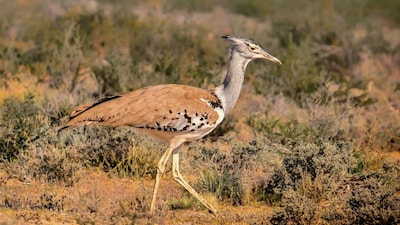
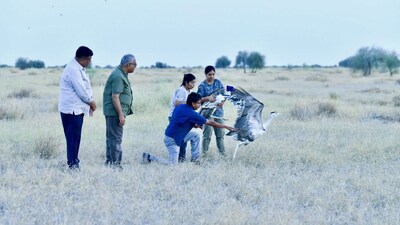
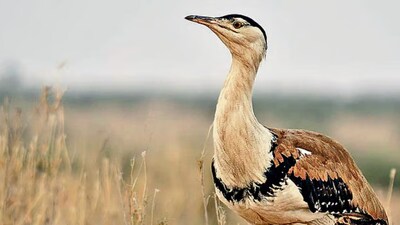
Great Indian Bustard Gets New Lease of Life as 2 Captive-Bred Birds Released into Wild
N
News18•05-10-2026, 07:11
Great Indian Bustard Gets New Lease of Life as 2 Captive-Bred Birds Released into Wild
- •Two captive-bred Great Indian Bustards (GIBs) were released into the wild at Desert National Park in Jaisalmer, marking a crucial phase in conservation efforts for the critically endangered species.
- •With fewer than 150 GIBs remaining in the wild, this release is the first major step under India's captive-breeding program, aiming to rebuild wild populations.
- •The GIB population declined due to habitat loss from grassland degradation, encroachment, hunting, and increasingly, collisions with overhead power transmission lines.
- •GIBs have excellent peripheral vision for predators but poor forward vision, making them vulnerable to colliding with power lines, which are often fatal.
- •India's captive-breeding program, launched in 2016, has grown to 98 birds, including 38 from artificial insemination, with extensive "rewilding" training to prepare them for survival in natural habitats.
Key Questions Answered
The Great Indian Bustard's population declined sharply due to the degradation, encroachment, and conversion of its dry grassland habitats, historic hunting, and fatal collisions with overhead power transmission lines caused by the birds' poor forward vision.
By June 2026, the captive population of Great Indian Bustards reached 98 birds, which includes 38 individuals born through artificial insemination.
Before release, captive birds undergo extensive rewilding training at the Ramdevra facility, where they experience natural sunlight, temperature fluctuations, and airflow, and are trained to hunt insects, find natural prey, and locate water.