Stories
Discover Hollong: India's Tallest Native Rainforest Species Faces Extinction Threat
N
News18•29-09-2026, 20:15
Discover Hollong: India's Tallest Native Rainforest Species Faces Extinction Threat
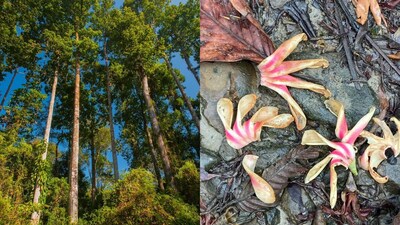
- •Hollong, Assam's state tree, is one of India's tallest native rainforest species, growing up to 50 meters tall in the Northeast.
- •Its deep roots anchor its towering trunk in waterlogged soils, and its large, leathery leaves shed rainwater, preventing fungal damage.
- •After monsoon, Hollong's winged seeds spin through seasonal winds, allowing new seedlings to take root away from saturated ground.
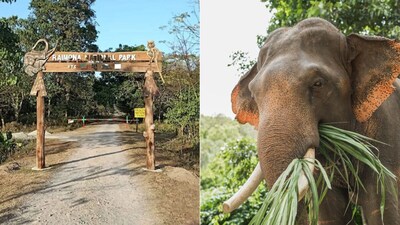
- •The tree dominates several tropical evergreen forests in Assam, including Hollongapar Gibbon Sanctuary, Dehing Patkai, Nameri, and parts of Kaziranga's forested landscapes.
- •Hollong's height shapes the forest microclimate, creating cooler conditions and storing significant terrestrial carbon, but its population has declined by 50-70%, making it endangered.
Key Questions Answered
Hollong is Assam’s state tree and one of India’s tallest native rainforest species, capable of growing up to 50 metres tall across the Northeast. It dominates several tropical evergreen forests in Assam, including the Hollongapar Gibbon Sanctuary, Dehing Patkai, Nameri, and parts of Kaziranga.
Hollong thrives in areas where annual rainfall averages nearly 3,000 mm. Its deep roots anchor its towering trunk in waterlogged soils during heavy storms, while its large, leathery leaves quickly shed sheets of rainwater to prevent fungal damage and reduce branch weight.
Hollong's population is estimated to have declined by 50% to 70%, leaving the species endangered in the wild.