Stories
US Chip Control vs. China: Southeast Asia's Tech Crossroads
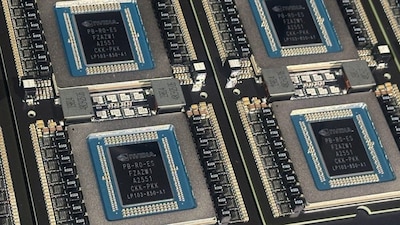
- •The US Chip Security Act proposes tracking American chips exported to Southeast Asia, forcing countries to choose between US technology with oversight and Chinese alternatives.
- •Aolani plans to deploy 22,000 Nvidia Blackwell Ultra GPUs in Malaysia and the Philippines, highlighting the region's demand for advanced American computing.
- •Industry groups warn that stricter US controls could push Southeast Asian governments closer to Beijing, which offers chips without tracking conditions.
- •Malaysia is considering Huawei's Ascend processors for a sovereign AI project, signaling a potential shift away from American chips due to data sovereignty concerns.
- •The upcoming decision by Malaysia on Huawei chips will indicate Southeast Asia's leanings in the evolving US-China tech rivalry, potentially creating a dual-track technology architecture.
Key Questions Answered
The proposed Chip Security Act orders the US Commerce Department to require location-verification mechanisms on covered American chips before they are exported, re-exported, or transferred within a foreign country, giving Washington the power to verify the ownership and location of chips already abroad and report any unauthorized movement or tampering.
Some Southeast Asian governments, such as Malaysia, are considering Huawei's slower Ascend chips for sovereign AI projects to keep sensitive national data under domestic control and avoid complying with American laws like the US Cloud Act or proposed tracking requirements that keep hardware answerable to Washington.
The 2026 ISEAS survey revealed that 52 percent of policy and business elites in Southeast Asia would side with China if forced to choose—with strong majorities in Indonesia and Malaysia leaning toward Beijing—while 76.8 percent of respondents in the Philippines chose the United States, and US leadership under Trump became the region's top geopolitical concern.