Stories
Turkey's Ceyhan: A New Oil Hub Challenging Hormuz? India Watches Closely
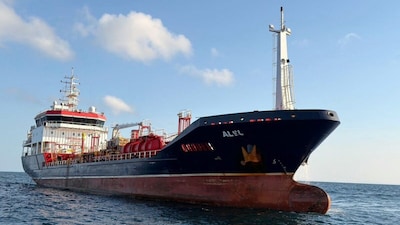
- •Turkey is developing Ceyhan, a Mediterranean port, into a major oil and energy hub, aiming to capitalize on disruptions to traditional West Asian energy routes.
- •Ceyhan already receives crude via pipelines from Azerbaijan and Iraq, with plans to expand storage, transport, and petrochemical infrastructure.
- •The move could offer an alternative gateway for crude to international markets, potentially reducing reliance on the Strait of Hormuz, a critical chokepoint.
- •While Ceyhan's capacity is expanding, experts note it offers only partial relief compared to Hormuz's vast throughput and primarily handles Iraqi-Azerbaijani crude.
- •India, a major oil importer, is monitoring Ceyhan's development as a potential diversification option, though political tensions with Turkey and the project's nascent stage temper expectations for immediate strategic shifts.
Key Questions Answered
Turkey is expanding storage, transport, and petrochemical infrastructure around Ceyhan to capitalize on West Asian energy route disruptions. Ankara has signed agreements with major energy companies, considered linking Syrian oil flows, and partnered with Iraq to increase crude transport through pipelines like the Baku-Tbilisi-Ceyhan and Iraq-Turkey links.
A stronger Ceyhan corridor could offer an additional Mediterranean outlet for crude oil from Iraq, Azerbaijan, and other regional producers, serving as a potential hedge during disruptions of Gulf routes. However, its limited capacity, specific oil grades, and strained India-Turkey political ties mean India will likely continue prioritizing direct energy partnerships.
Ceyhan offers only partial relief rather than a full replacement for the Strait of Hormuz. Even with expanded capacity, its throughput remains a small fraction of Hormuz's normal volume, and it primarily handles Iraqi and Azerbaijani grades rather than broader Gulf crude supplies.