Stories
Psychological Autopsy: Unraveling Sahil Wakode's Final Hours at IIT-Bombay
N
News18•22-09-2026, 16:41
Psychological Autopsy: Unraveling Sahil Wakode's Final Hours at IIT-Bombay
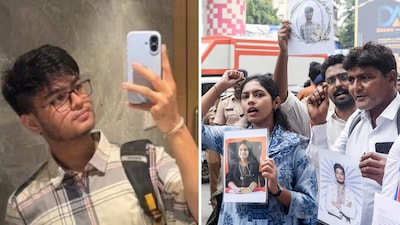
- •Psychiatrists advocate for a psychological autopsy to understand the mental state of Sahil Wakode, a 22-year-old IIT-Bombay student, before his tragic death.
- •A psychological autopsy reconstructs an individual's mental state and life circumstances prior to death by analyzing medical histories, digital footprints, and conducting interviews with family, friends, and peers.
- •Experts emphasize that suicide is rarely caused by a single event; a psychological autopsy helps examine cumulative stressors beyond immediate incidents like exam pressure.
- •Conflicting accounts surround Sahil's death, with IIT-Bombay citing an exam incident and his parents alleging systemic caste-based discrimination and harassment.
- •The process involves document collection, digital footprint analysis, multi-informant interviews, and timeline synthesis to map predisposing, precipitating, and triggering factors, providing insights into the 'why' behind the tragedy.
Key Questions Answered
A psychological autopsy is a specialized forensic tool used to reconstruct an individual's mental state and background prior to death by analyzing medical histories, personal journals, digital footprints, and conducting multi-informant interviews.
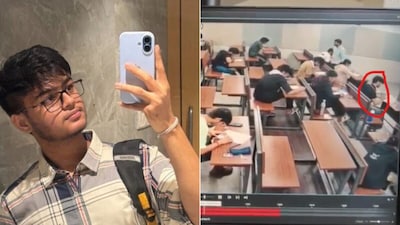
Sahil Wakode, a 22-year-old IIT-Bombay student, died by suicide hours after being caught allegedly using a mobile phone and ChatGPT during a mid-term examination.
Following student protests, IIT-Bombay agreed to an 18-point charter of demands, began reviewing its stringent academic malpractice and FR grade rules, and decided to replace hostel ceiling fans with wall-mounted fans.