Stories
Educational Malpractice Has No Caste: Questioning SC/ST Act Investigations
N
News18•28-09-2026, 09:03
Educational Malpractice Has No Caste: Questioning SC/ST Act Investigations
- •The SC/ST Act, 1989, intended to address socio-cultural injustices, is increasingly questioned due to high acquittal rates and alleged misuse; 60% of 2023 cases ended in acquittal or discharge.
- •The Rohith Vemula case, a 2016 political flashpoint, concluded in May 2024 with a police closure report stating he was not a Dalit and his SC certificate was fabricated, clearing all accused.
- •Student mental health crisis in premier institutions is accelerating, with 53 student deaths across IITs between 2020-21 and 2024-25, 84.9% due to suicide; caste-wise data shows equal deaths across categories.
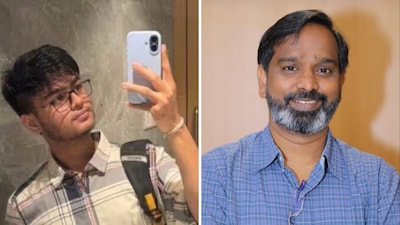
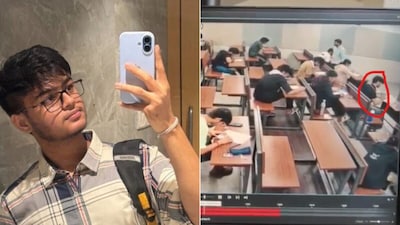
- •Sahil Ravindra Wakode's death at IIT Bombay led to abetment to suicide charges under the SC/ST Act, but IIT Bombay denies caste discrimination and suggests academic malpractice (cheating) as a factor.
- •The article argues for amending the SC/ST Act to include preliminary inquiries, time-bound investigations, and deterrence for false complaints, emphasizing that academic rules should apply equally regardless of caste.
Key Questions Answered
In May 2024, the Telangana Police filed a closure report concluding that Rohith Vemula was not a Dalit, stating his SC certificate was fabricated and that all accused were given a clean chit with no evidence of abetment to suicide.
Parliamentary records showed that at least 53 students died across IITs between 2020-21 and 2024-25, with suicides accounting for 84.9 percent of those reported deaths, rising from five deaths in 2020-21 to 19 in 2024-25.
Mumbai Police registered a case of abetment to suicide and invoked the SC/ST Act following a complaint from Sahil Wakode's father, who alleged caste-based harassment, remarks, and threats from a department professor over three months.