Stories
Norway Moves to Restrict Smart Glasses in Public Over Privacy Concerns

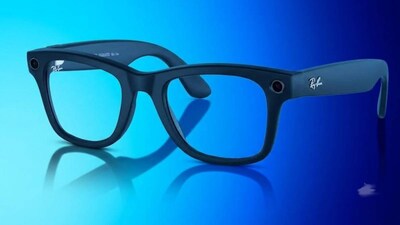
- •Norway is proposing temporary restrictions on camera-enabled smart glasses in public places like parks, schools, and gyms.
- •Minister of Digital Affairs Torgeir Micaelsen voiced concerns over people being secretly photographed or filmed without consent.
- •The controversy stems from the covert nature of smart glasses compared to smartphones and CCTV, leading to harassment reports.
- •While facing bans in some venues and regions, supporters emphasize the accessibility benefits of smart glasses for visually impaired users.
- •The Norwegian government aims to buy time to study the technology and formulate permanent national regulations.
Key Questions Answered
Norway's proposed temporary restrictions would cover public places such as parks, beaches, museums, shopping centres, schools, kindergartens, healthcare facilities, gyms, and public events to protect individuals from being recorded without their knowledge.
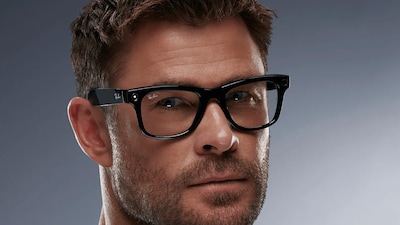
Smart glasses allow users to take photographs or record video covertly from their point of view without holding up a phone, fueling worries about non-consensual recording. There have been multiple reports of the devices being used to harass women and girls and film them without consent.
Smart glasses provide audio descriptions of surroundings, read visible text like restaurant menus, and allow users to have text read aloud or communicate independently without operating a smartphone, serving as a game-changer for blind and visually impaired users.