Stories
Why Norway is preparing to ban smart glasses and does India need strict privacy laws?

- •Norway has decided to ban smart glasses in public places to protect citizens' privacy from silent video recording and data theft.
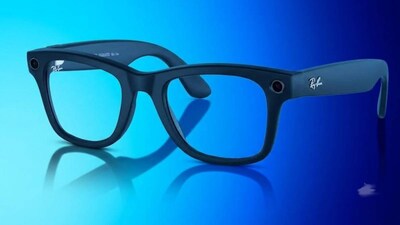
- •Devices like Ray-Ban Meta allow users to capture photos and videos covertly, posing significant threats to personal privacy and safety.
- •India lacks dedicated and clear legal guidelines to regulate wearable spying devices in public spaces despite having fundamental right to privacy.
- •Experts suggest India must update its regulatory framework and establish strict standards for wearable tech to prevent misuse.
Key Questions Answered
Norway's privacy regulatory agencies and data protection authority believe that camera-equipped smart glasses directly interfere with people's private lives. The government is concerned about silent and covert recording without consent, data theft in public spaces like gyms and swimming pools, and the integration of AI and facial recognition technology that can identify citizens in seconds.
Smart glasses look like normal eyewear but feature embedded technologies including a small HD camera, microphones, speakers, and voice or touch controls. Because the cameras are tiny and indicators can be easily hidden or taped over, users can secretly capture photos and videos in public without those around them realizing they are being recorded.
India recognizes privacy as a fundamental right under the Supreme Court's Puttaswamy judgment and enforces the Digital Personal Data Protection Act alongside Section 66E of the IT Act 2000. However, experts note a major legal gap because these laws focus on digital data and smartphones, lacking clear guidelines to address silent wearable spying in public places.