Stories
Optogenetics Wins 2026 Nobel Prize For Medicine
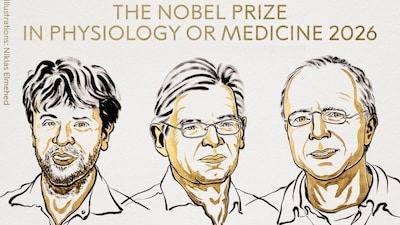
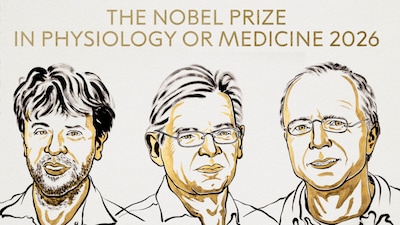
- •The 2026 Nobel Prize in Physiology or Medicine was awarded to Karl Deisseroth, Peter Hegemann, and Georg Nagel for their groundbreaking work in optogenetics.
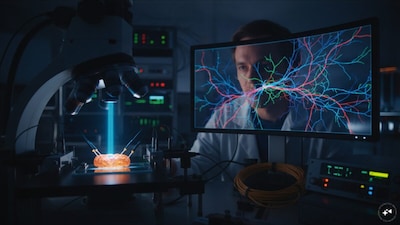
- •Optogenetics uses pulses of light to control specific brain cells with millisecond precision by combining genetics and optics.
- •Peter Hegemann and Georg Nagel discovered light-gated ion channels called channelrhodopsins in green pond algae, which open when exposed to specific colors of light.
- •Karl Deisseroth successfully inserted these light-sensitive protein codes into the DNA of specific nerve cells, allowing researchers to switch neurons on or off using fiber-optic light.
- •The technology has revolutionized neuroscience by allowing selective control of neural circuits, offering new insights and potential treatments for neurological and psychiatric conditions like Parkinson disease, depression, and genetic blindness.
Key Questions Answered
The 2026 Nobel Prize in Physiology or Medicine was awarded jointly to Karl Deisseroth, Peter Hegemann, and Georg Nagel for their discoveries concerning light-gated ion channels and optogenetics.
Optogenetics combines genetics and optics by inserting light-sensitive proteins from green algae into specific neurons. Researchers can then shine tiny fiber-optic lights to instantly force these microscopic channels open or closed, allowing precise control over brain cell activity.
Optogenetics provides crucial insights into neurological and psychiatric conditions like Parkinson's disease, schizophrenia, depression, addiction, and Alzheimer's. It has also advanced to human clinical trials, successfully restoring partial vision in patients suffering from retinitis pigmentosa.