Stories
Bionic Eyes Are Turning Sci-Fi Vision Into Reality
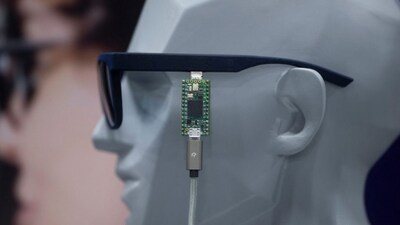
- •Researchers are advancing bionic eye technology to restore lost vision and potentially offer super-human capabilities like night vision.
- •Early implants like the Argus II and Retina Implant AG faced setbacks and were discontinued, but paved the way for modern innovations.
- •Newer devices such as the Prima subretinal chip have successfully restored functional central vision in dry age-related macular degeneration patients.
- •Future bionic eyes could incorporate digital zoom, image sharpening, and thermal imaging beyond the human visual spectrum.
- •Biological alternatives like stem cell therapies are also being developed, presenting both competition and potential solutions for vision loss.
Key Questions Answered
The Prima device uses spectacles that transmit images and power to a surgically inserted subretinal chip via an infrared signal. In a small clinical trial for dry age-related macular degeneration, it restored functional central vision to 81% of patients, allowing them to read letters, numbers, and words.
Early devices faced hardware failures due to frequent eye movements and corrosion from the salty liquid interior, alongside a lack of convincing clinical results or medical progress that ultimately led both systems to be discontinued.
Because bionic eyes relay visual information electronically, developers have proposed features like optical zoom, image-sharpening algorithms, and cameras capable of seeing beyond the visible light spectrum for thermal imaging and night vision.