Stories
Red Sea Corals Saved by Probiotic Bacteria During Heatwave
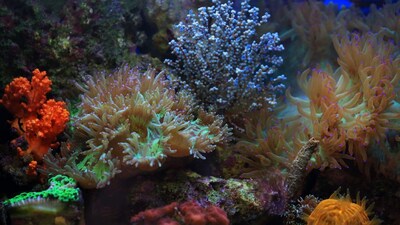
- •Scientists from KAUST successfully used bacterial mixtures to help corals retain their color during a 2022 Red Sea marine heatwave, marking the first successful reef-based probiotic application.
- •The study, published in Cell Reports, demonstrated that treated corals maintained color and photosynthetic efficiency, unlike untreated colonies that declined.
- •Researchers prepared probiotic and postbiotic blends from bacteria isolated from healthy local corals, with postbiotics offering a cheaper, longer-lasting alternative.
- •Gene sequencing revealed shifts in microbial communities on treated corals, including an increase in Cobetia bacteria, known to aid heat tolerance.
- •While promising, the method currently requires significant labor, and further research is needed to confirm long-term benefits and applicability to diverse coral species.
Key Questions Answered
During a marine heat wave in 2022, divers made eight trips over 15 days to inject bacterial mixtures into the water beside selected coral colonies off the coast of Saudi Arabia. By the end of the study, the treated corals had kept their colour and photosynthetic efficiency while untreated ones declined.
The researchers prepared two probiotic blends using live bacteria isolated from healthy local corals, alongside postbiotic versions where identical bacteria were killed with heat before use. Postbiotics are cheaper to produce, keep longer on the shelf, and can still trigger a protective response in the host coral.
Because dosing a reef by hand is time-consuming and labor-intensive, the team has been developing biodegradable alginate gel beads. These beads are designed to keep probiotics stable while refrigerated and release them slowly once placed on a coral reef.