Stories
Himalayan High-Risk Mission: Nepal to Drain Glacial Lakes, India to Benefit from ‘Time Bomb’
N
News18•03-10-2026, 20:24
Himalayan High-Risk Mission: Nepal to Drain Glacial Lakes, India to Benefit from ‘Time Bomb’
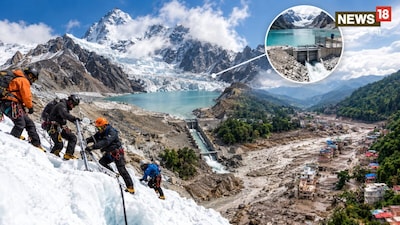
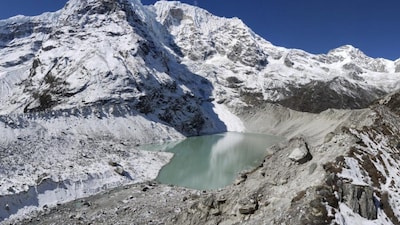
- •Nepal is launching a 415 crore rupee high-risk mission to mitigate the threat from dangerous glacial lakes formed by melting glaciers in the Himalayas.
- •The project will lower water levels in four critical glacial lakes (Thulagi, Lower Barun, Lumding Tsho, Hongu 2) at altitudes up to 18,000 feet, reducing flood risks for Nepal and parts of India (Bihar, Uttar Pradesh).
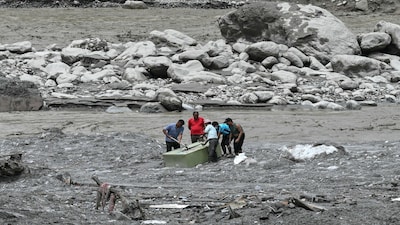
- •The mission faces extreme challenges including oxygen scarcity, severe cold, avalanches, and sudden floods, with work expected to take six years.
- •Funding will come from the Green Climate Fund, the United Nations, and the Government of Nepal, with controlled waterways and gate systems to be constructed.
- •Nepal has prior success in lowering water levels in Tsho Rolpa and Imja lakes, providing valuable experience for this new, ambitious undertaking.
Key Questions Answered
Nepal plans to lower water levels in four dangerous glacial lakes: Thulagi, Lower Barun, Lumding Tsho, and Hongu 2, situated at altitudes ranging from approximately 13,280 to 18,000 feet above sea level.
The project will construct strong, controlled waterways connected to a gate system to safely drain excess water into surrounding main rivers without triggering massive downstream floods. Modern sensors and early warning systems will also be installed.
The project reduces the risk of catastrophic flooding in Bihar and Uttar Pradesh via the Kosi and Gandak river basins, protects critical border infrastructure, and establishes real-time data sharing with India's meteorological department.