Stories
Nepal Demands Grants, Not Loans, for Flood Recovery After Deadly Glacier Disaster

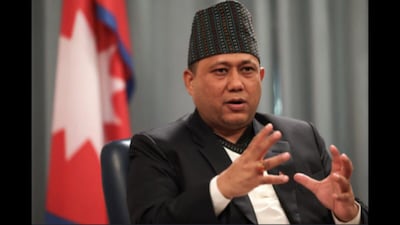
- •Nepal's Prime Minister Balendra Shah called for grant-based international support at the UN General Assembly to aid recovery from a glacier flood that killed at least 1,450 people.
- •Shah stated that recovery needs are estimated at 10% of GDP and argued vulnerable countries shouldn't incur more debt for climate disaster rebuilding.
- •He emphasized the need for adequate grant-based support, not just more loans or small grants, to rebuild infrastructure destroyed by climate-driven disasters.
- •Shah urged Nepal, India, and China to cooperate on climate resilience, proposing a Himalayan mechanism for data sharing, glacial lake monitoring, early warnings, and coordinated disaster responses.
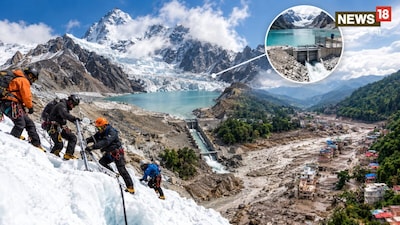
- •The flood, caused by a glacier collapse near the Nepal-China border, swept away vital infrastructure and livelihoods, with over 6,000 people still missing.
Key Questions Answered
Nepal Prime Minister Balendra Shah called for grant-based international support at the United Nations General Assembly, arguing that vulnerable countries should not be forced to take on additional debt to rebuild from catastrophic climate events. Recovery and reconstruction needs are estimated at about 10% of gross domestic product following the disaster.
The disaster was triggered by the collapse of a glacier near the border between Nepal and China's Tibet Autonomous Region in late August, which caused flash floods and landslides that tore through valleys downstream. The floods swept away roads, bridges, schools, homes, and livelihoods, killing at least 1,450 people.
The World Bank made available up to $170 million in emergency financing to help Nepal respond to the glacier disaster and begin recovery efforts.