Stories
Gillette-BSC Ad Row: Disparagement Fuels Brand Publicity, Legal Battles
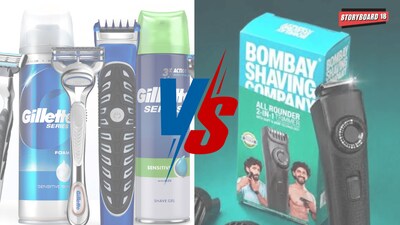
- •The Gillette-Bombay Shaving Company dispute over BSC's Switch4 ad highlights how legal battles can extend a campaign's publicity beyond its initial run.
- •Advertising lawyers distinguish between legitimate superiority claims ("My product is better") and denigrating ones ("Your product is bad"), citing the Trade Marks Act, 1999.
- •A rival product doesn't need to be explicitly named; courts examine if it's identifiable through packaging, visual cues, or context, as seen in the Gillette-BSC case.
- •Indian courts assess advertisements as a whole, considering intent, storyline, and the distinction between humour and ridicule, rather than isolated elements.
- •While brands can use humour, the risk of legal action increases when comparisons portray a competitor's product as defective or inferior, making execution crucial.
Key Questions Answered
The commercial lawsuit centers on Bombay Shaving Company's Switch4 razor campaign, which Gillette India claims disparages its products and portrays them as outdated. BSC defends the campaign by highlighting consumer choice and stating that compatibility allows users of three-blade handles to use its four-blade cartridge.
The Delhi High Court took note of Bombay Shaving Company's revised advertisement after the original version was taken down. The matter has been listed for further proceedings and hearing on October 29.
Sections 29(8) and 30(1) of the Trade Marks Act, 1999, govern comparative advertising by requiring honest commercial practices that do not harm a rival mark's distinctive character. Legal experts note that while saying 'my product is better' is permissible, implying a competitor's product is bad or useless crosses the line into unlawful denigration.