Stories
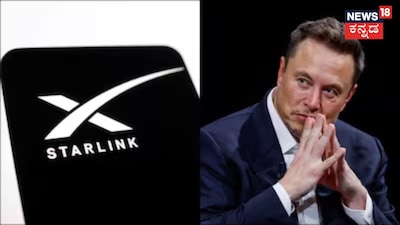
SpaceX Threat to Telecom Oligopoly is Real As Elon Musk Pursues Wireless Ambitions

C
CNBC TV18•14-10-2026, 06:40
SpaceX Threat to Telecom Oligopoly is Real As Elon Musk Pursues Wireless Ambitions
- •SpaceX's recent push into wireless and low-band spectrum acquisition has caused billions in market value losses for the U.S. telecom Big 3: Verizon, AT&T, and T-Mobile.
- •Analyst Jeffrey Wlodarczak estimates that SpaceX's Starlink could capture up to 13% of the U.S. wireless market share over the next ten years, potentially becoming a legitimate fourth carrier.
- •SpaceX is expected to initially follow a cable playbook by offering internet and wireless access via satellite hookups and WiFi, targeting rural and suburban areas first.
- •The Federal Communications Commission recently authorized SpaceX to deploy 15,000 satellites for direct-to-device connectivity with a regulatory waiver to bypass terrestrial networks.
- •Some analysts suggest Elon Musk's spectrum push might be a tactical bluff to pressure incumbent carriers into favorable mobile virtual network operator agreements.
Key Questions Answered
Pivotal Research analyst Jeffrey Wlodarczak estimates that SpaceX's Starlink could secure up to 13% of the U.S. wireless market share over the next ten years as it builds out a legitimate fourth U.S. wireless player.
The Big 3 carriers—Verizon, AT&T, and T-Mobile—lost billions in market value after SpaceX announced its acquisition of low-band spectrum from Grain Management, though stocks later recovered somewhat.
SpaceX recently won FCC authorization to deploy 15,000 satellites for direct-to-device connectivity with a regulatory waiver, and it is awaiting an upcoming FCC vote scheduled for October 29 regarding potential terrestrial spectrum purchases.