Stories
Why the Strait of Malacca is a Vital Lifeline for India Amid Global Tensions

- •Finance Minister Nirmaled Sitharaman warned of severe consequences if the Strait of Malacca faces any disruptions, highlighting its critical role in global trade.
- •While India's crude oil imports mainly approach from the west, the Malacca Strait remains crucial for importing industrial goods, electronics, APIs, and coal.
- •Over 55 percent of India's trade passes through the South China Sea and the Malacca Straits, linking the Indian Ocean with East and Southeast Asia.
- •Experts suggest exploring alternative routes like the Sunda or Lombok-Makassar passages, though they remain contingency options rather than risk-free substitutes.
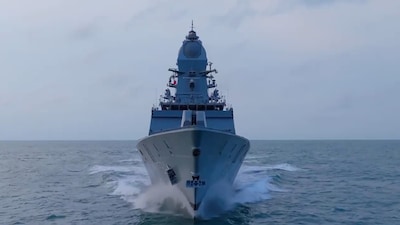
- •India's Andaman and Nicobar Islands provide a vital geographical advantage for surveillance and maritime awareness near the western approaches to Malacca.
Key Questions Answered
While India's crude oil exposure mainly approaches from the west, a significant share of its imports of industrial goods, electronics, active pharmaceutical ingredients, and coal rely on maritime routes through the Malacca Strait. Over 55% of India’s trade passes through the South China Sea and the Malacca Straits.
On the western side, India can maximize energy access outside Hormuz through Fujairah in the UAE or Duqm in Oman. On the eastern side, the Sunda Strait and the deeper Lombok-Makassar route through Indonesia can serve as contingency options, especially for large tankers.
India’s Andaman and Nicobar Islands sit near the western approaches to the Malacca Strait, providing the country with valuable capabilities in surveillance, maritime-domain awareness, and deterrence.