Stories
Why Indian-American Voters Could Shape Key 2026 US Midterm Races
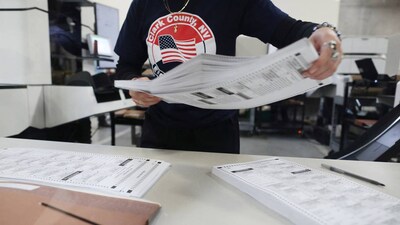
- •Indian-American voters are emerging as a crucial demographic in closely contested suburban battlegrounds for the upcoming 2026 US midterm elections.
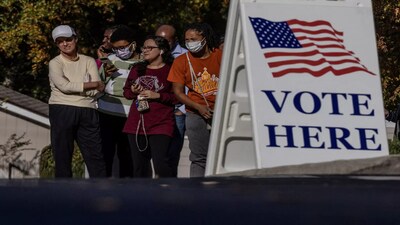
- •The community has grown to over 5.2 million residents, maintaining a notably high voter turnout rate of around 70% in recent national elections.
- •While Indian Americans have historically leaned Democratic, a growing share now identify as independents, opening opportunities for Republicans to compete for their support.
- •Top issues influencing the community include economic concerns like inflation and cost of living, healthcare, education, immigration, and public safety.
- •Key states where Indian-American voters could sway tight races include Georgia, Pennsylvania, North Carolina, Texas, Arizona, and Michigan.
Key Questions Answered
Indian-American voters show high engagement, with the 2026 AAPI Voter Survey indicating that 90% plan to vote and 71% are certain to participate. While 66% prefer Democratic candidates, research from the Carnegie Endowment shows Democratic identification dropped from 55% in 2020 to 46% in early 2026, while independent identification rose to 29%.
Economic issues dominate voter priorities, with 90% of surveyed AAPI voters citing the cost of living and inflation as very or extremely important. Healthcare follows closely at 82%, alongside education, public safety, and immigration concerns like employment-based green card caps and the H-1B visa system.
Indian-Americans are heavily concentrated in suburban battlegrounds across states like Georgia, Pennsylvania, North Carolina, Texas, Arizona, and Michigan. Notable concentrations include Atlanta's northern suburbs, Philadelphia's surrounding counties, North Carolina's Research Triangle, and major Texas metropolitan areas like Houston and Dallas-Fort Worth.