Stories
Could Indian Americans Decide the Balance of Power in the 2026 US Midterms?
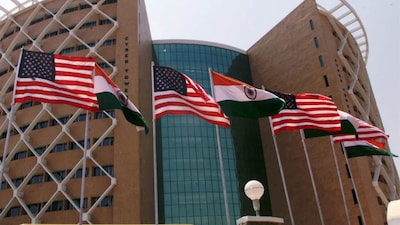
- •Indian Americans have grown to over 5.2 million residents with more than 2.1 million eligible adult voters, positioning the diaspora as a critical margin-of-victory bloc in key suburban battlegrounds.
- •With consistently high voter turnout rates reaching 70 to 71 percent in recent national elections, 90 percent of registered Indian Americans plan to vote in the upcoming midterms.
- •While historically leaning Democratic, research reveals a growing ideological fluidity, with a rise in Independent identification and conservative views among specific sub-demographics.
- •Key issues driving the diaspora's vote include kitchen-table economics and inflation, healthcare, public safety, education, merit-based admissions, and high-skilled immigration reform.
- •Despite their strategic importance in swing states like Pennsylvania, Georgia, and Texas, over 40 percent of voters report receiving no direct contact from major political parties during the campaign.
Key Questions Answered
Indian-American voters continue to maintain a strong preference for Democratic candidates, with 66 per cent planning to support them in both Senate and Congressional races. However, research indicates a modest decline in strict Democratic identification since 2020, with more voters shifting toward independent status.
Cost of living and inflation rank as the most urgent concerns, with 90 per cent of AAPI voters citing them as vital factors. Other primary issues include healthcare and public safety, high-skilled immigration reform and per-country green card caps, and strong support for merit-based education and academic rigor.
Indian-American voters are heavily concentrated in critical suburban counties across states like Georgia, Pennsylvania, North Carolina, Texas, Arizona, and Michigan. Their high voter turnout in these tightly contested metropolitan suburbs makes them a decisive margin-of-victory voting bloc.