Stories
West Asia Turmoil Forces Rethink on India-Europe Economic Corridor
F
Firstpost•07-10-2026, 23:04
West Asia Turmoil Forces Rethink on India-Europe Economic Corridor
- •Geopolitical disruptions in West Asia, including choke points like the Strait of Hormuz and Bab al-Mandeb, are transforming the India-Middle East-Europe Economic Corridor from a single linear route into a flexible network of alternative paths.
- •Experts at ORF's Sagarmanthan dialogue emphasized the urgent need for a stronger governance architecture, greater digital integration, and increased regional cooperation to ensure the corridor's commercial viability.
- •Neighboring nations such as Oman are playing a pivotal role as alternative entry points, with new investments and railway projects developing to bypass traditional maritime blockades.
- •India has spearheaded digital integration for the corridor through the MAITRI framework, aiming to streamline international trade processes and regulatory interfaces across participating nations.
Key Questions Answered
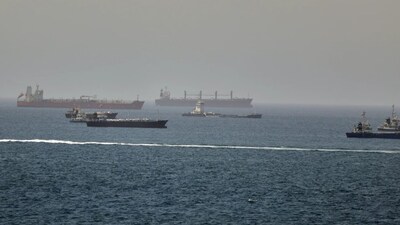
Disruptions around major choke points like the Strait of Hormuz and the Bab al-Mandeb Strait have forced policymakers and traders to view the India-Middle East-Europe Economic Corridor (IMEC) as a flexible network of alternative routes rather than a single, linear trade path.
India took the lead in cooperation with the UAE government to launch MAITRI, which stands for Master Application for International Trade and Regulatory Interface. This cornerstone digital framework went live in May to support IMEC and can be replicated as the corridor expands.
The India-Middle East-Europe Economic Corridor (IMEC) was officially launched at the G20 Summit held in New Delhi in September 2023.