Stories
US-China AI Divide: Investors Play Both Sides Amidst Geopolitical Tensions
- •Despite a US-China race for separate AI supply chains, investors are actively funding AI ventures in both countries, with US banks supporting Chinese AI upstarts and Chinese funds flowing into US tech.
- •Wall Street banks have acted as bookrunners on 19 Chinese high-tech equity deals worth $17.2 billion this year, accounting for nearly 30% of the sector's total issuance.
- •Chinese outbound mutual funds favor US stocks, especially semiconductors, with Hong Kong and mainland Chinese holdings in US equity jumping 23% to over $750 billion in the past year.
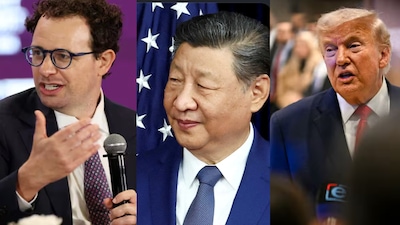
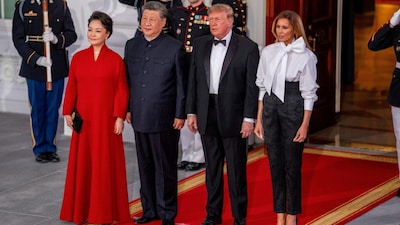
- •The financial interconnectedness provides a safety net for investors, giving both sides an interest in stable relations, and lowering expectations for significant breakthroughs at the Trump-Xi meeting.
- •However, this mutual exposure is at risk if US-China relations deteriorate further, potentially unwinding painfully and cleaving AI development in two.
Key Questions Answered
Wall Street banks have acted as bookrunners and advisors on numerous Chinese high-tech equity capital market deals and IPOs, underwriting billions in share sales for firms like Zhongji Innolight, MiniMax, and Montage Technology. This financial connectivity allows global investors to maintain exposure to China's AI listing boom despite geopolitical tensions.
The value of US equities held by Hong Kong residents and mainland Chinese has risen by 23% over the past year, surpassing $750 billion. US stocks and tech shares represent nearly half of the assets managed by China's outbound mutual funds.
US Treasury Secretary Scott Bessent and Chinese Vice Premier He Lifeng discussed setting up a formal US-China AI dialogue featuring a notification system to track common goals and potential threats. These high-level talks occurred ahead of the summit between President Donald Trump and President Xi Jinping.