Stories
Netanyahu Clings to Old Playbook Amidst Security Crisis, Faces Referendum on Leadership
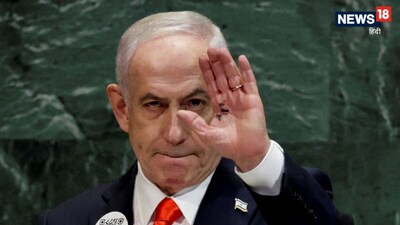
- •Prime Minister Benjamin Netanyahu is employing his long-standing campaign strategy, portraying himself as Israel's sole protector, despite the October 7 Hamas attack.
- •Netanyahu's security credentials are under scrutiny following the surprise Hamas attack, one of Israel's worst security breaches.
- •The upcoming October 27 election is seen as a referendum on Netanyahu's responsibility for the security failure and his government's response.
- •Netanyahu's campaign targets rivals as weak leftists, while he defends Israel's actions globally, even as diplomatic isolation deepens.
- •Despite challenging polls, Netanyahu's team remains focused, aiming to prevent an alternative government and potentially force another election.
Key Questions Answered
The upcoming election is scheduled for October 27, marking Israel's first vote since the October 7, 2023 Hamas attack. It serves as a major referendum on Prime Minister Benjamin Netanyahu's leadership, his responsibility for the unprecedented security failure, and his handling of the ensuing multi-front war.
Netanyahu is relying on decades-old campaign tactics by projecting himself as Israel's ultimate protector in a hostile region and using the slogan "Netanyahu does not surrender". He is also portraying political rivals as weak leftists and warning that opponents will form a government with Arab factions that compromises national security.
Netanyahu's primary challenger is Gadi Eisenkot, a hawkish former military chief who heads a centrist party named Yashar. Eisenkot has faced aggressive political attacks from Netanyahu's Likud party, including campaign posts utilizing AI-generated imagery to tie him to Arab party leaders.