Stories
Israel's First Post-Oct. 7 Elections Put Netanyahu's Political Future on the Line

N
News18•07-10-2026, 13:15
Israel's First Post-Oct. 7 Elections Put Netanyahu's Political Future on the Line
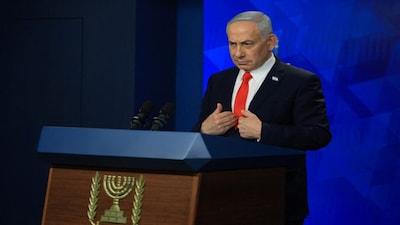
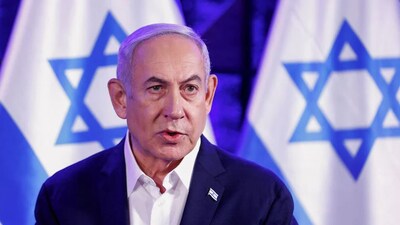
- •Prime Minister Benjamin Netanyahu and his political opponents have placed the Oct. 7, 2023, Hamas attack at the center of Israel's upcoming parliamentary elections.
- •Netanyahu's critics blame him for the worst security failure in the country's history and call his coalition the massacre government, while his defenders argue he has successfully led Israel through the aftermath.
- •Opposition leader Gadi Eisenkot leads the chief rival faction, promising an official commission of inquiry and pushing to end military draft exemptions for ultra-Orthodox men.
- •Numerous candidates directly impacted by the Oct. 7 attacks, including grieving parents and retired generals who fought on the front lines, are running for seats in parliament.
- •Discussion of the humanitarian crisis and death toll in Gaza remains largely absent from mainstream Israeli political discourse as campaigns focus heavily on national trauma and security.
Key Questions Answered
Prime Minister Benjamin Netanyahu and his opponents have placed the October 7 attack at the absolute center of their campaigns, using posters, stump speeches, and televised debates to address the historic security failure and its political fallout.
Netanyahu's chief rival is Gadi Eisenkot, a former military chief whose son and nephew were killed in battle in Gaza and who leads the Yashar party list.
Discussion of the dire situation in Gaza, the humanitarian catastrophe, or peace talks is largely missing from the public discourse, with challengers largely opposing the establishment of a Palestinian state.