Stories
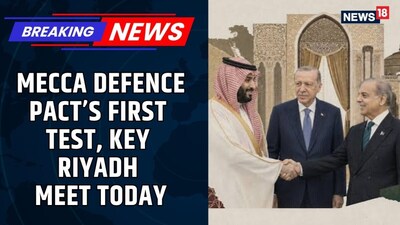
Mecca Pact Tested: Houthi Attacks on Saudi Arabia Strain Pakistan-Turkey Alliance
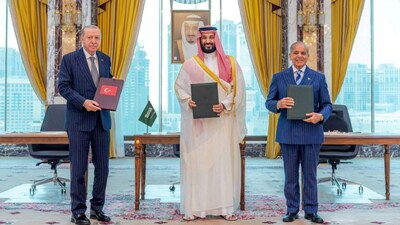
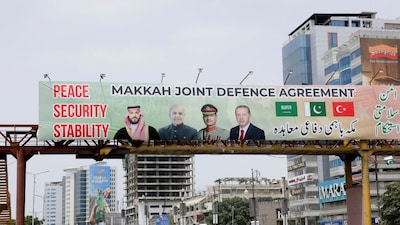
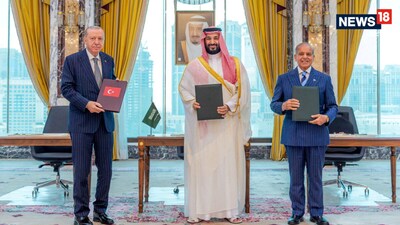
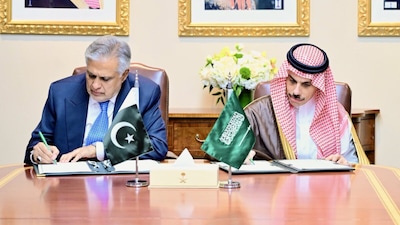
- •The Mecca Agreement, a Pakistan-Saudi-Turkey alliance, is modeled after NATO, aiming for collective defense against attacks on any member.
- •Houthi attacks on Saudi Arabia have challenged the pact's deterrence and the promise of a collective response, raising questions about Pakistan and Turkey's commitment.
- •Pakistan faces significant internal security challenges, including a mosque blast in Khyber Pakhtunkhwa and ongoing conflicts with the TTP and Baloch groups, making direct involvement in the Saudi-Houthi conflict strategically cautious.
- •Experts suggest Pakistan is hesitant to open another front against an Iranian proxy, given its complex relationship with Iran and a large Shia population, fearing internal disturbances.
- •The crisis exposes gaps in the Mecca pact, highlighting that Pakistan cannot gain a greater West Asian role without inheriting the region's conflicts and security burdens.
Key Questions Answered
The Mecca Agreement is modeled on NATO and rests on two pillars: it seeks to deter attacks on any member by declaring that an assault on one is an attack on all, and it promises a collective military response if such an attack occurs.
Pakistan is dealing with severe domestic security challenges, including a mosque blast in Khyber Pakhtunkhwa, ongoing Durand Line tensions, and near-daily attacks by the TTP and Baloch groups. Additionally, experts note that direct military involvement against Iranian allies like the Houthis risks triggering internal sectarian disturbances due to Pakistan's sizable Shia population.
Pakistan has been central to Saudi military infrastructure and national security policy since the 1960s, helping establish the Saudi Air Force and deploying thousands of soldiers under the 1982 Protocol on the Deployment of Armed Forces. However, while this long-standing relationship exists, the lack of complete military interoperability and complex geopolitical realities complicate Pakistan's response to the ongoing Houthi conflict.