Stories
India Backs P4M Pledge: Protectionism, Coercion Threaten Global Peace
- •India, the EU, and other P4M co-sponsors warn that growing geopolitical tensions, protectionism, and coercion undermine global peace and cooperation.
- •The P4M initiative, launched on the sidelines of the UN General Assembly, includes Australia, Barbados, Brazil, Canada, the EU, India, and Kenya as initial co-sponsors.
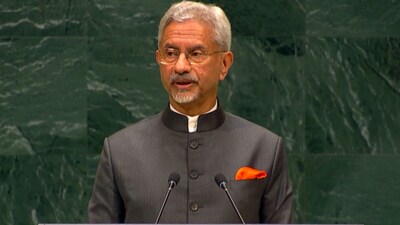
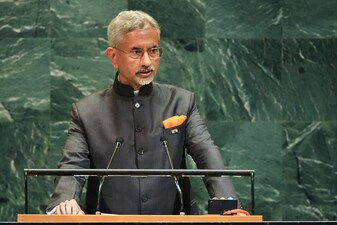
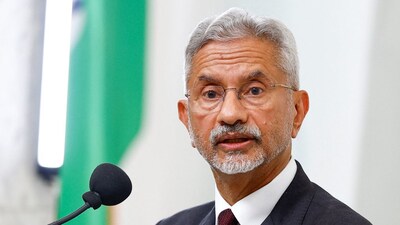
- •External Affairs Minister S Jaishankar emphasized the need for stronger multilateralism to address rising conflicts and geopolitical competition amid global stress.
- •P4M members declared that growing polarization, conflicts, international law violations, and the use of "power politics, protectionism, coercion, and the threat or use of force" endanger international peace and security.
- •India supports UN reforms to make the multilateral system more effective, representative, and inclusive, advocating for greater transparency and participatory discussions.
Key Questions Answered
The Partners for Multilateralism (P4M) initiative was launched on September 21 on the sidelines of the United Nations General Assembly High-Level Week to call for stronger international cooperation against protectionism and coercion. The inaugural summit was co-chaired by External Affairs Minister S Jaishankar along with leaders from Australia, Barbados, Brazil, Canada, the EU, and Kenya.
The initial co-sponsors of the Partners for Multilateralism initiative include Australia, Barbados, Brazil, Canada, the European Union, India, and Kenya. These nations launched the initiative to promote international law, peace, prosperity, and stronger multilateral cooperation.
External Affairs Minister S Jaishankar emphasized that global challenges require practical cooperation across issues such as peace and security, climate action, emerging technologies, development finance, counter-terrorism, supply chains, disaster preparedness, and pandemics. He also pointed to the '4F' crisis encompassing fuel, food, fertiliser, and finance.