Stories
Four Leaders Deliver Final UN Speeches, Challenge 1945 World Order
C
CNBC TV18•30-09-2026, 09:42
Four Leaders Deliver Final UN Speeches, Challenge 1945 World Order
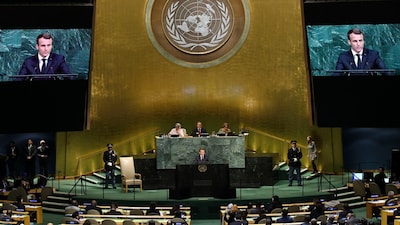
- •Four presidents—Emmanuel Macron, Ukhnaa Khurelsukh, João Lourenço, and Aleksandar Vućić—used their final UNGA speeches to address the UN's role in a changing international order.
- •Macron emphasized constraining power with rules, Khurelsukh advocated for greater voice for smaller states and Security Council reform, Lourenço focused on African-led solutions to conflicts, and Vućić questioned the consistent application of international principles.
- •The speeches collectively highlight the challenge of whether the UN, an institution designed in 1945 with 51 members, can adapt to the world of 2026 with 193 members and an unchanged Security Council veto structure.
- •Mongolia's Ukhnaa Khurelsukh called for an increase in both permanent and non-permanent Security Council seats, greater representation for developing countries, and increased transparency.
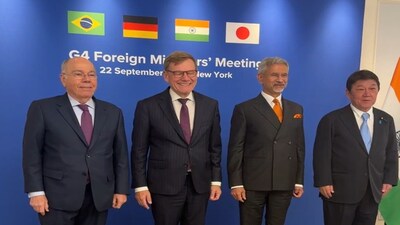
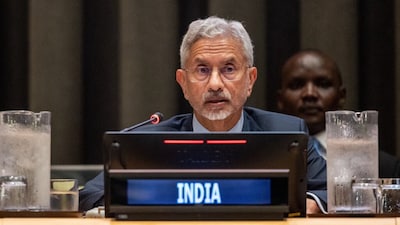
- •India, through External Affairs Minister S. Jaishankar, also advocates for Security Council reform, arguing that the current structure does not reflect today's world and excludes large sections of humanity from decision-making.
Key Questions Answered
At the 81st United Nations General Assembly, four presidents used their final UNGA speeches to address the future of the UN: Emmanuel Macron of France, Ukhnaa Khurelsukh of Mongolia, João Lourenço of Angola, and Aleksandar Vučić of Serbia.
Ukhnaa Khurelsukh argued that UN Security Council reform must be at the core of overall UN reform, calling for an increase in both permanent and non-permanent seats, greater transparency, and adequate representation for developing countries.
João Lourenço emphasized preventive diplomacy, inclusive political dialogue, and nationally owned solutions, strongly advocating for African-led approaches to African conflicts and a central role for regional organizations rather than outside actors.