Stories
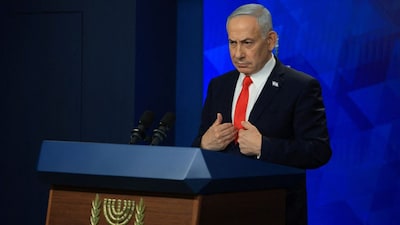
Arab Voter Turnout Could Make Or Break Anti-Netanyahu Bloc In Israeli Election
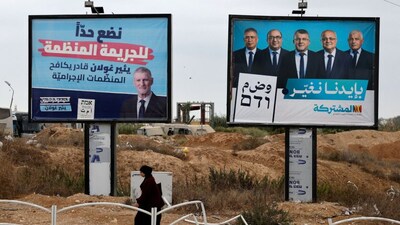
- •Arab voters account for about 20 percent of the Israeli electorate and could emerge as crucial kingmakers in the upcoming October 27 election.
- •Both major Arab parties have declared their intent to support the Opposition bloc in unseating Prime Minister Benjamin Netanyahu.
- •A Reuters poll of polls shows the Opposition bloc winning 52 seats, Netanyahu's alliance securing 50 seats, and Arab parties winning 13 seats.
- •Stat-Net Research Institute projects Arab voter turnout to rise to 63 percent, up from 56 percent in the 2022 election.
- •Political divisions remain as Gadi Eisenkot has rejected formal alignment with Arab parties, while leaders like Mansour Abbas and Yousef Jabareen weigh options to replace the right-wing government.
Key Questions Answered
Arab voters account for about 20 per cent of the electorate and could emerge as key kingmakers, as both Prime Minister Benjamin Netanyahu's alliance and the Opposition bloc appear to fall short of a majority in the 120-member parliament. Their turnout on October 27 could make or break the anti-Netanyahu coalition.
According to a Reuters poll of polls, the Opposition bloc led by Gadi Eisenkot, Yair Lapid, and Naftali Bennett would win 52 seats, while Netanyahu's far-right alliance would secure 50 seats, and Arab parties would win 13 seats.
Yousef Jabareen of the Arab Joint List has ruled out formally joining the Eisenkot-Lapid-Bennett alliance, stating he will support an opposition-led government from outside the coalition. However, Mansour Abbas of the United Arab List has signaled openness to joining an opposition coalition to help form a new government.