Stories
45 Years Later: Japan Eradicates Invasive Mongoose from Amami Oshima Island
M
Moneycontrol•29-09-2026, 15:45
45 Years Later: Japan Eradicates Invasive Mongoose from Amami Oshima Island
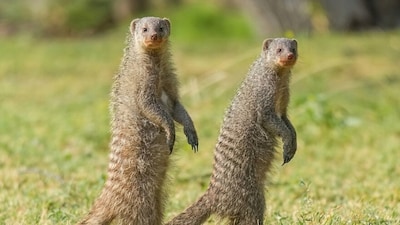
- •In 1979, 30 small Indian mongooses were introduced to Japan's Amami Oshima island to control habu snakes and rats, but instead, they preyed on native species like the Amami rabbit and Amami spiny rat.
- •The mongoose population grew to an estimated 10,000, prompting the Japanese government to launch a massive eradication effort from 2000 onwards, intensifying after the 2005 Invasive Alien Species Act.
- •The Amami Mongoose Busters team employed extensive methods, including over 35,000 traps, 500 automatic cameras, and detection dogs, with the last mongoose captured in April 2018.
- •After six years of no confirmed sightings and rigorous statistical modeling (Harvest-based Model and Rapid Eradication Assessment), Japan officially declared the eradication of the small Indian mongoose on September 3, 2024.
- •This monumental conservation victory, considered the world's largest mongoose eradication on an island with an established population, has led to the recovery of native species like the Amami rabbit and Amami spiny rat.
Key Questions Answered
Around 30 small Indian mongooses were introduced to Amami Oshima in 1979 to control the population of venomous habu snakes and rats.
Japan's Ministry of the Environment officially declared the eradication of the small Indian mongoose on Amami Oshima on September 3, 2024, following six years without a single confirmed sighting or capture.
The specialist team utilized increasingly intensive methods, including deploying more than 35,000 traps, over 500 automatic cameras, specially trained detection dogs, and advanced statistical frameworks like the Harvest-based Model and Rapid Eradication Assessment.